PFN President Demands New Constitution, Cites Religious Imbalance in Nigeria
The Pentecostal Fellowship of Nigeria (PFN) has issued a strong call for a new constitution, raising serious concerns about what it describes as a significant imbalance in the country's legal framework. This demand comes amid growing tensions over religious representation in Nigeria's governance structures.
Constitutional Imbalance Allegations
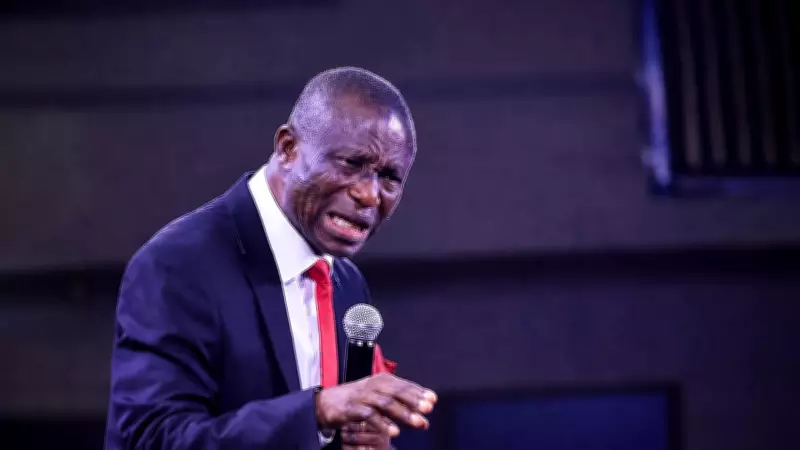
National President of the PFN, Bishop Francis Wale Oke, spoke forcefully during the Calvary Grace International College of Bishops (CGCOB) ministers' empowerment conference held in Lagos State. He asserted that Nigeria's current constitution fails to accurately reflect the nation's religious demographics and creates systemic inequality.
"The Constitution contains extensive references to Sharia and Islamic provisions without corresponding recognition of Christianity," Oke declared, emphasizing that this imbalance undermines national inclusiveness and fairness.
The PFN president noted that Christians constitute slightly over 50 percent of Nigeria's population, with strong dominance in southern regions and significant presence across parts of the North. He maintained that this demographic reality should be properly reflected in the country's foundational legal document.
Proposed Solutions and Religious Regulation
Oke presented two clear alternatives for addressing the constitutional imbalance. "Nigeria must either adopt a constitution that accommodates all religions equally or remove religious references entirely," he insisted. The cleric advocated for religion to remain a private matter while the state focuses exclusively on regulation to prevent violence and maintain social order.
The PFN leader, who also serves as prelate of CGCOB, connected Nigeria's persistent insecurity to religious extremism, alleging that many violent attacks are carried out under religious pretexts. He specifically referenced groups including Boko Haram and Islamic State West Africa Province, alongside bandits and other armed factions, as primary drivers of violence in the country.
Call to Action for Religious and Political Leaders
Oke issued direct appeals to both religious and political leaders to address the security crisis. He urged the Sultan of Sokoto, Sa'ad Abubakar III, to take stronger action in addressing religiously-motivated violence and called on all religious leaders to speak out against attacks perpetrated in the name of faith.
The cleric further highlighted persistent killings in Benue, Plateau, Taraba, and Borno states, describing these incidents as deeply troubling and raising concerns about their devastating impact on affected communities. He called on President Bola Ahmed Tinubu to intensify efforts to address Nigeria's security challenges comprehensively.
"The current constitutional framework creates division rather than unity," Oke concluded, emphasizing that a new constitution could help establish a more balanced and inclusive Nigeria where all religious groups feel equally represented and protected under the law.