Supreme Court Strikes Down Trump's Executive Order on Birthright Citizenship
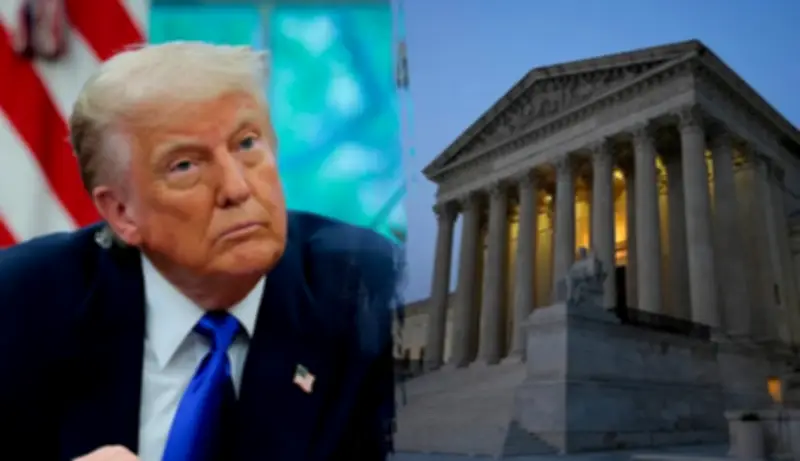
The Supreme Court on Tuesday delivered a decisive blow to President Donald Trump's immigration agenda, striking down his executive order that sought to end birthright citizenship in the United States. In a 6-3 ruling, the justices affirmed that the 14th Amendment guarantees citizenship to anyone born on American soil, regardless of their parents' immigration status.
Chief Justice Roberts Writes for the Majority
Writing for the majority in Trump v. Barbara, Chief Justice John Roberts emphasized that the 14th Amendment's Citizenship Clause clearly covers children born to parents who are unlawfully or temporarily present in the United States. “Under the Constitution, they are citizens at birth,” Roberts concluded. The decision agreed with challengers and lower courts nationwide that Trump's order could not be reconciled with the Constitution.
Historical Context of the 14th Amendment
Roberts cited the historical origins of the 14th Amendment, adopted after the Civil War to settle citizenship questions for formerly enslaved people. “Citizenship, then and now, was the right to have rights – to freely participate in our political community. The Framers of the Fourteenth Amendment extended that promise to ‘every free-born person in this land,’” he wrote. “We keep that promise today.”
Dissenting Opinion from Justice Alito
Justice Samuel Alito, in dissent, called the ruling “one of the most important decisions in the history of the Court” and “a serious mistake.” He argued that the 14th Amendment confers citizenship only on children who owe “allegiance solely to this country” at birth, not those born to parents illegally or temporarily present.
Impact on Trump's Immigration Agenda
The decision marks a major setback for Trump, who made ending birthright citizenship a key component of his immigration platform. He issued the executive order on Jan. 20, 2025, shortly after being sworn in for a second term, declaring that babies born in the U.S. to parents here illegally or temporarily are not automatically citizens. Opponents argued the order violated the 14th Amendment, which states that persons “born or naturalised” in the United States are citizens.
Ruling Blocks Implementation
The Supreme Court's ruling effectively blocks implementation of the executive order and reaffirms constitutional protections for children born in the United States, regardless of their parents' immigration status. The decision is final and cannot be appealed further.