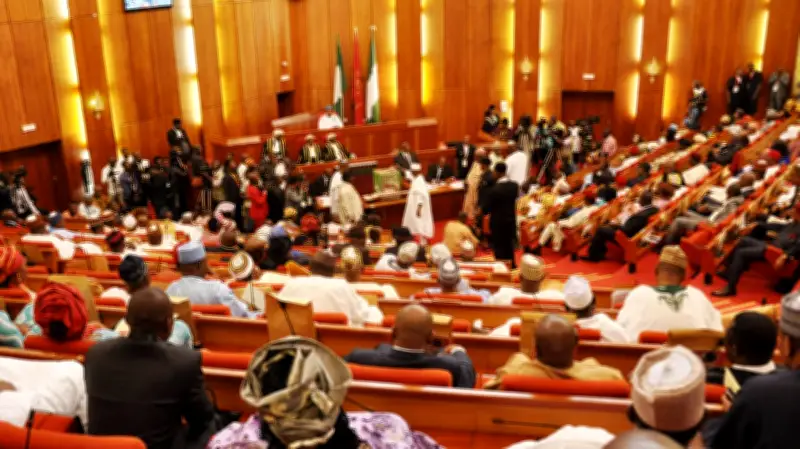
The Senate on Thursday approved a fresh extension of the implementation period for the capital component of the 2025 Appropriation Act, pushing the deadline from June 30 to September 30, 2026, in a move aimed at preventing the abandonment of critical government projects nationwide.
Decision Reached After Closed-Door Session
The decision came after lawmakers emerged from a closed-door executive session and unanimously backed a motion sponsored by Senate Chief Whip, Tahir Monguno. Before taking up the motion, senators first voted to extend their sitting beyond the usual 3 p.m. adjournment time, underscoring the urgency attached to the matter.
Monguno Warns of Project Abandonment
Presenting the motion, Monguno warned that billions of naira already released to Ministries, Departments and Agencies (MDAs) for capital projects remained unspent due to procurement bottlenecks, administrative delays, and implementation challenges. He cautioned that allowing the budget window to expire could stall strategic projects already nearing completion, waste public resources, and disrupt key government interventions.
“Failure to extend the implementation period may result in the abandonment of critical projects and the wastage of already committed public funds,” he told lawmakers.
The Senate Chief Whip argued that many projects require additional time for execution, certification, and payment, stressing that extending the budget would improve performance, ensure value for money, and support economic growth.
Adeola Explains Extension Scope
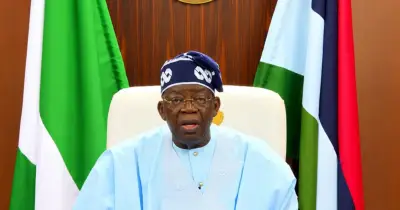
Backing the proposal, Chairman of the Senate Committee on Appropriations, Solomon Olamilekan Adeola, explained that the extension applies strictly to the capital component of the budget. He recalled that when President Bola Ahmed Tinubu presented the 2025 budget, there was an expectation that 30 percent of implementation would be completed by March 31, 2026, with the remaining 70 percent rolled into the 2026 fiscal year.
According to Adeola, that target was not achieved, forcing the National Assembly to first extend the budget’s lifespan to June 30, 2026. “Significant obligations are still outstanding,” he said, expressing optimism that the additional three months would allow all pending payments to be settled while implementation of projects transferred to the 2026 budget proceeds.
Umeh Seconds Motion
The motion received further support from Victor Umeh, who seconded the proposal and emphasized the need to sustain ongoing project execution across the country.
Voice Vote Approval
Following debate, Senate President Godswill Akpabio put the matter to a voice vote, with lawmakers overwhelmingly endorsing the extension. “Those who support that this budget deadline be extended to September 30, 2026, say aye. Those against say nay. The ayes have it,” Akpabio declared.
Announcing the final decision, the Senate President said the extension was necessary to avoid disruptions in project funding and payments. “The payment would have stopped halfway if this was not done,” he stated.
Resolution Sent to Executive
Akpabio subsequently directed that the Senate’s resolution be transmitted to the Executive for immediate implementation.
The latest extension marks another effort by the National Assembly to ensure continuity in infrastructure and development projects affected by delays in fund releases and budget execution. With the new deadline now set for September 30, MDAs have been given a final window to complete ongoing projects, settle outstanding obligations, and maximize the utilization of funds appropriated under the 2025 fiscal framework.