
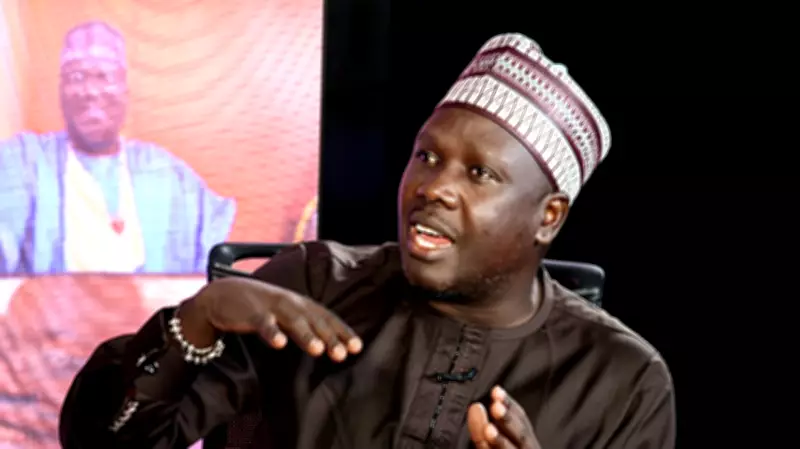
Daniel Bwala's Interview Debacle: A Cautionary Tale for Aspiring Politicians
By now, you have likely joined the nearly one million viewers who have witnessed Daniel Bwala's Head to Head interview with Mehdi Hasan. The encounter, which aired recently, presented a stark contrast to Bwala's usual television appearances in Nigeria, where his combative style often dominates discussions.
A Thoroughly Outmatched Performance
Watching the interview provoked disbelief and laughter as Bwala found himself completely outmatched by Hasan's formidable debating skills. The performance was difficult to reconcile with the Daniel Bwala familiar to Nigerian audiences, whose responses typically resemble mixed-martial-arts verbal combat rather than measured discourse.
Interestingly, Bwala himself acknowledged Hasan's prowess in a July 2024 tweet, praising him as "a terrific debater, sweat-less flow of thoughts, deadly fact-checker, master of rhymes, deep knowledge of the issues." Today, that same description could be applied to Hasan's dismantling of Bwala during their February 10 encounter at Conway Hall in London.
The Biblical Parallel That Fell Short
To his credit, Bwala maintained remarkable calm and composure throughout the interview, reminiscent of his biblical namesake Daniel facing the lion's den. However, unlike the biblical figure who emerged unscathed, Bwala did not leave the arena unbruised. The saying "those who come to equity must come with clean hands" proved particularly apt, as Hasan exposed what appeared to be inconsistencies in Bwala's positions.
Beyond Bwala: Lessons for the Next Generation
While much has been written about Bwala's performance, the more pressing concern lies with young professionals aspiring to political office. Those not yet in power often possess the courage and objectivity to criticize established figures, but this virtue may stem from lack of opportunity rather than inherent character.
The fundamental question becomes: How do we participate in politics without becoming like those we criticize? Politics may involve dirty dealings, but that doesn't necessitate becoming complicit in them. Young people entering politics must grapple with this dilemma before finding themselves on paths they once condemned.
A Litany of Principles for Public Service
This conversation cannot be postponed until one "gets there"—it applies to daily life and small decisions that prepare us for larger tests. As C.S. Lewis observed, "No man knows how bad he is till he has tried very hard to be good." With this in mind, consider these guiding principles for public service:
- May I never be so impoverished that I must compromise principles for survival
- May I never view politics merely as a means of personal advancement rather than public service
- May I remember that digital footprints are permanent and accountability inevitable
- May my patriotism remain with the country, not with any individual or party
- May I maintain courage to stand for truth even when standing alone
- May I resist the fear of missing out on opportunities that require moral compromise
- May I never lose my sense of shame or bring disgrace to family and nation
- May I never become so desperate for relevance that I confuse basic facts
- May I evaluate policies on their merits, not based on who supports them
- May I remain humble enough to acknowledge fallibility and limitations
- May I remember there is life beyond politics, both earthly and eternal
- May I never use "just doing my job" as excuse for unethical actions
- May my education serve critical thinking rather than blind obedience
- May I develop the courage to say no and walk away when necessary
- May I maintain consistency rather than presenting different faces in different places
- May I learn from historical mistakes rather than repeating them
The Ultimate Test of Character
It's easy to laugh at Daniel Bwala's interview performance, but the more uncomfortable question remains: Given similar incentives, proximity to power, and pressures, would we act differently? Character isn't forged in moments of power—it's revealed there. If we don't prepare our conscience long before power arrives, we may find ourselves defending positions we once considered absurd.
When that day comes, the world won't remember our excuses, only our words and actions. If we don't decide who we are before politics calls, politics will decide for us, potentially leading us down paths similar to those we once criticized.




