
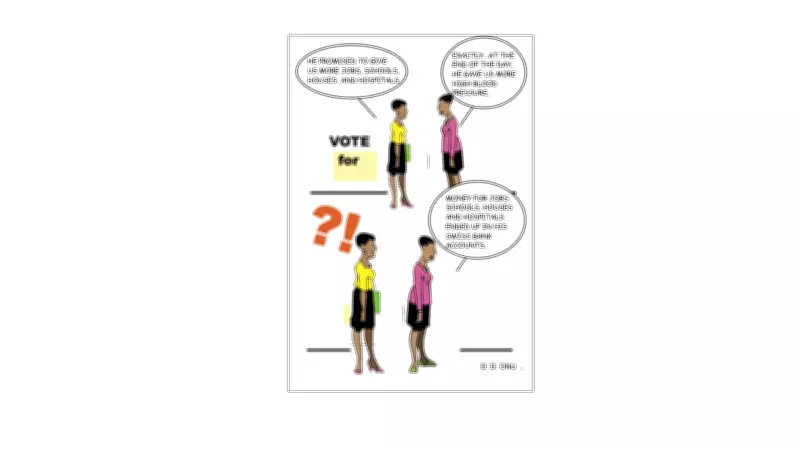
Nigerian Political Cartoon Offers Sharp Critique of Governance and Leadership
A recent political cartoon published in Nigeria has sparked widespread discussion by using satire to address pressing issues in the country's governance and leadership. The artwork, which has gained attention online and in media circles, cleverly depicts various societal challenges through humorous and exaggerated imagery.
Key Themes and Symbolism in the Cartoon
The cartoon focuses on several critical areas, including political inefficiency, economic struggles, and social unrest. By portraying leaders in comical yet pointed scenarios, it highlights the gap between political promises and the reality faced by ordinary citizens. Elements such as broken infrastructure, symbolic representations of corruption, and public frustration are woven into the narrative to emphasize systemic problems.
Public Reaction and Impact: The cartoon has resonated with many Nigerians, who see it as a reflection of their daily experiences and grievances. Social media platforms have been abuzz with shares and comments, with users praising the artist's ability to capture complex issues in a simple, accessible format. This response underscores the growing role of political satire in shaping public discourse and holding leaders accountable.
Historical Context of Political Cartoons in Nigeria
Political cartoons have a long history in Nigeria, dating back to colonial times when they were used to critique British rule. In the post-independence era, cartoons have evolved to address local governance, with artists often facing risks for their critical portrayals. Today, they serve as a vital tool for free expression, especially in a media landscape that sometimes restricts direct criticism.
Artistic Techniques and Messaging: The cartoon employs visual metaphors and caricatures to convey its message, making it both entertaining and thought-provoking. By exaggerating features and situations, the artist draws attention to the absurdities in political behavior, encouraging viewers to reflect on deeper issues without being overly confrontational.
Broader Implications for Nigerian Society
This cartoon is part of a larger trend of using art and media to comment on governance. It reflects a society where citizens are increasingly vocal about their dissatisfaction, seeking alternative means to express dissent. As Nigeria navigates economic and political challenges, such satirical works play a crucial role in fostering dialogue and promoting transparency.
In summary, the political cartoon serves as a powerful commentary on Nigeria's current state, blending humor with serious critique to engage the public and challenge those in power.




