
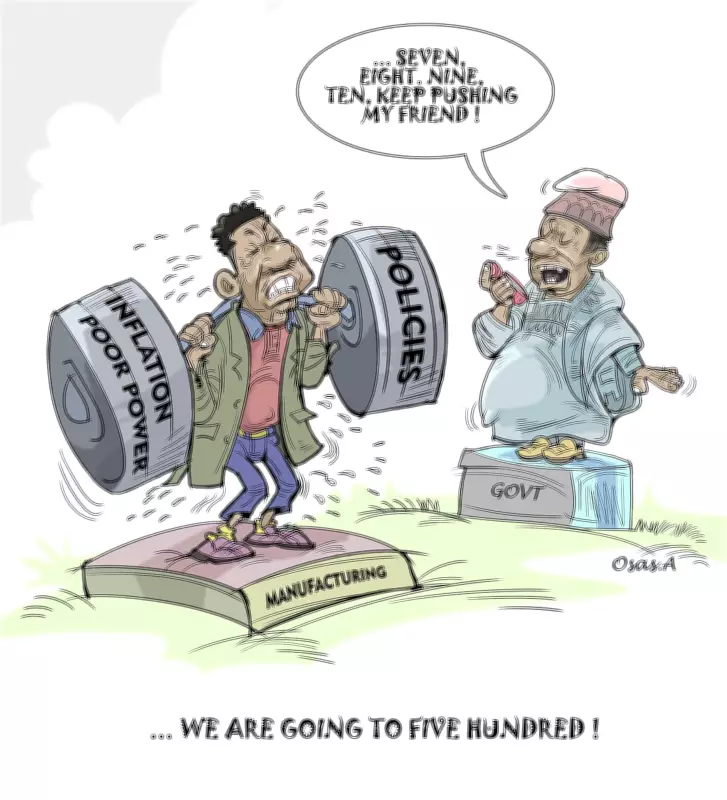
Nigerian Political Cartoon Satirizes Leadership and Governance Challenges
A recent political cartoon published in Nigeria has gained significant attention for its sharp and humorous critique of leadership and governance issues in the country. The cartoon, which uses visual satire to highlight systemic problems, has resonated widely with the public, sparking discussions on social media and in various forums about the state of Nigerian politics.
Visual Satire as a Tool for Social Commentary
Political cartoons have long served as a powerful medium for social commentary in Nigeria, offering a unique blend of humor and criticism to address serious topics. This particular cartoon employs exaggerated imagery and witty captions to lampoon perceived failures in governance, such as corruption, inefficiency, and lack of accountability among leaders. By presenting these issues in a lighthearted yet pointed manner, the cartoon encourages viewers to reflect on the real-world implications of political actions and inactions.
Public Reaction and Broader Implications
The publication of this cartoon has elicited a strong response from Nigerians, with many praising its boldness in calling out leadership shortcomings. On social media platforms, users have shared the cartoon extensively, accompanied by comments that express frustration with ongoing governance challenges and calls for reform. This public engagement underscores the role of satire in fostering civic dialogue and holding leaders accountable, even in a context where direct criticism can be risky.
Experts note that such cartoons play a crucial role in democratic societies by providing a safe space for dissent and encouraging critical thinking among citizens. In Nigeria, where political discourse can sometimes be polarized or suppressed, visual satire offers an accessible way to engage with complex issues, making it a valuable tool for education and advocacy.
Historical Context and Future Outlook
Historically, political cartoons in Nigeria have evolved alongside the country's political landscape, often reflecting key moments of change or crisis. From colonial times to the present day, cartoonists have used their art to comment on everything from military rule to electoral politics, helping to shape public opinion and inspire social movements. The current cartoon fits into this tradition, addressing contemporary concerns while drawing on a rich legacy of artistic expression.
Looking ahead, the impact of this cartoon may extend beyond immediate reactions, potentially influencing broader conversations about governance and leadership in Nigeria. As citizens continue to demand transparency and better performance from their leaders, satire like this can serve as a catalyst for change, reminding both the public and politicians of the importance of accountability in a functioning democracy.
In summary, this Nigerian political cartoon effectively uses humor to critique leadership and governance, sparking important discussions and highlighting the enduring power of satire in political discourse.




