
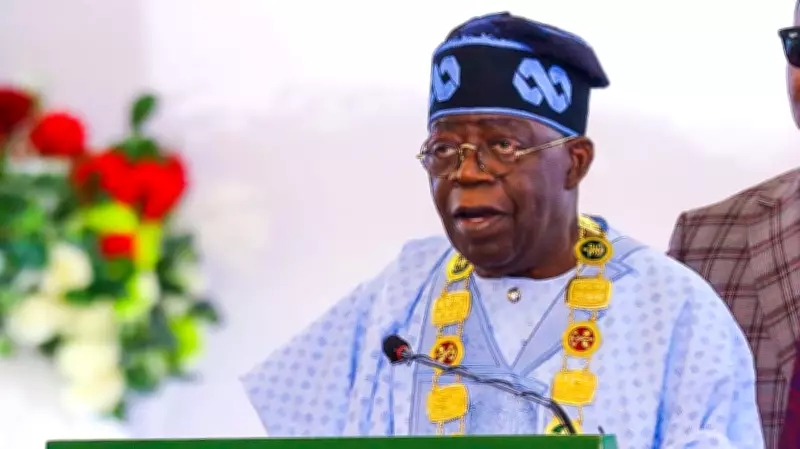
Uzodimma and Wike Political Rift Intensifies Over Tinubu's 2027 Campaign Strategy
The simmering political disagreement between Senator Hope Uzodimma, Chairman of the Progressive Governors' Forum, and Nyesom Wike, Minister of the Federal Capital Territory, has reportedly escalated into a significant conflict over strategies for President Bola Tinubu's 2027 re-election campaign in the South-East and South-South regions. This deepening rift, which originated from disagreements during the political crisis in Rivers State involving Governor Siminalayi Fubara, has now evolved into a broader struggle for political influence and mobilisation structures ahead of the next general election.
Roots of the Conflict and Escalating Tensions
The political disagreement intensified dramatically following the declaration of a state of emergency in Rivers State earlier in the political crisis, which significantly deepened mistrust between both camps within the ruling political space. Multiple sources indicate that tensions have further escalated as both Uzodimma and Wike actively pursue competing strategies for delivering votes to President Tinubu in their respective strongholds, creating a complex political landscape that threatens party unity.
Minister Wike has reportedly expressed strong confidence in his ability to deliver substantial votes for President Tinubu across several South-South states, including Rivers, Cross River, Edo, and Bayelsa. His approach involves extensive engagement with political stakeholders across party lines, demonstrating his belief in cross-party alliances as an effective mobilisation strategy.
Divergent Approaches to Political Mobilisation
In stark contrast, Senator Uzodimma maintains that the ruling All Progressives Congress already possesses sufficient grassroots structures and should avoid excessive reliance on external political actors. The PGF chairman has insisted that only individuals fully committed to the APC should be trusted in the mobilisation effort, issuing a strong warning against what he described as "politicians with doubtful loyalty."
Uzodimma was quoted as saying that those who genuinely believe in the Renewed Hope Agenda should formally join the APC, arguing that divided loyalty poses a significant risk to the party's electoral strategy. His position reflects a more traditional party-centric approach that prioritises internal party structures over external alliances.
Wike's Response and Political Positioning
In response to these developments, Minister Wike has maintained a firm stance that no external political structure will dictate outcomes in Rivers State. At a recent high-level stakeholder meeting in Abuja with political actors from both the APC and the Peoples Democratic Party, the FCT Minister issued a strong warning against external interference in Rivers politics.
Wike insisted that he would not allow any governor to influence political outcomes in the state, reaffirming his position that Rivers State's political direction would be determined internally, regardless of broader national alignments. This declaration highlights the minister's determination to maintain control over his political base while simultaneously engaging in national political calculations.
Broader Political Implications and Regional Entanglements
Meanwhile, political developments in Enugu State have become entangled in this growing tension, with former Minister of Science, Technology and Innovation, Uche Nnaji, reportedly aligning with interests linked to the Wike political bloc ahead of future elections. Nnaji, who contested the 2023 Enugu governorship election, has continued to allege irregularities involving his academic records, which he claims affected his political trajectory and eventual exit from the federal cabinet.
The unfolding rift between these key political actors is widely seen as part of wider positioning ahead of the 2027 elections, as alliances and rival blocs continue to emerge within and across party lines. This development reflects the complex dynamics of Nigerian politics, where regional interests, personal ambitions, and party loyalty often intersect in unpredictable ways.
Political analysts suggest that this conflict could have significant implications for President Tinubu's re-election strategy, particularly in regions where both Uzodimma and Wike wield considerable influence. The competing approaches to mobilisation—one emphasising party purity and the other favouring strategic alliances—represent fundamental differences in political philosophy that may prove difficult to reconcile as the 2027 elections approach.




