
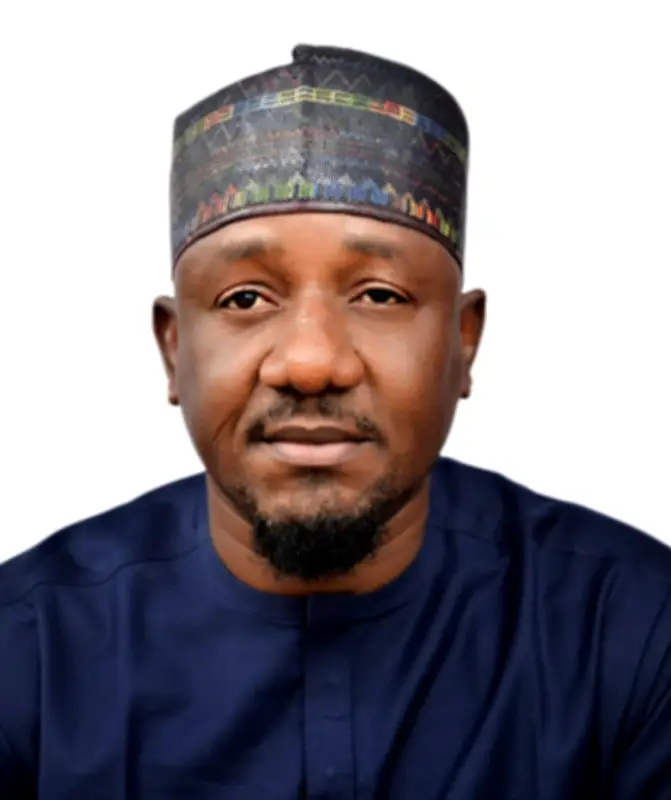
The National Coordinator of the Grassroots Mobilisation Initiative (GMI), Samaila Musa, has expressed confidence that President Bola Ahmed Tinubu will win the 2027 general election. In an interview with Nigerian Pilot, Musa highlighted the administration's economic reforms, infrastructure projects, and grassroots mobilization efforts as key factors that would secure victory for the President.
Economic Reforms and Public Sensitization
Musa explained that the Tinubu administration began on the right footing by focusing on macro-fiscal reforms such as fuel subsidy removal, unifying foreign exchange rates, and increasing non-oil revenue. He noted that these policies were difficult but necessary, and that the President had been transparent about the sacrifices required from the outset.
"Yes, those policies are difficult. The President did not pretend from the outset that it was going to be an easy journey. When he came on board, he said sacrifices are inevitable going by the situation the country has found itself," Musa said. He added that GMI has been sensitizing the public on a weekly basis to help Nigerians understand the long-term benefits of these reforms.
Musa acknowledged that the first two years were challenging but stressed that the macroeconomic environment is now stable. "At the macroeconomic level, the country is now stable. It is at the microeconomic level that we are still trying to find our feet," he said. He cited the student loan scheme (NELFUND), a new minimum wage of 70,000 naira, MSME intervention funds, and targeted cash transfers as measures to cushion the effects of the reforms.
Infrastructure and Security Achievements
Musa highlighted the administration's achievements in infrastructure, particularly road construction across the country, which he said would have long-term economic impacts. He also addressed the security situation, noting that insecurity in Nigeria has existed for over 20 years and is not a problem that started with this administration.
"We are beginning to see how proactive our military has been since Mr President came on board. We have also seen the rejigging of the security architecture of the country," Musa said. He praised the elimination of high-profile terrorists on a monthly basis and credited the National Security Adviser, the Minister of Defence, and other security agencies for their efforts.
Grassroots Feedback and Public Perception
Musa reported that feedback from grassroots sensitization efforts has been encouraging. GMI runs a Hausa radio programme and engages with the public through social media to explain policies like fuel subsidy removal and naira floating. "A lot of people did not really understand what fuel subsidy was. When you talk about fuel subsidy, many people ask: what exactly are you removing that is making life more difficult?" he said.
He noted that the perception is beginning to change daily, and that GMI has helped bridge a vacuum in public orientation. "There was a vacuum in public orientation, which our organisation has been able to help bridge, alongside other organisations doing similar things," Musa added.
2027 Election Prospects and Youth Mobilization
Looking ahead to 2027, Musa acknowledged concerns about the high cost of living in the North but expressed confidence in President Tinubu's support there. He noted that the Southwest is automatically secured, and that the Northwest gave the President significant support in 2023. "I believe that President Tinubu will still win significant support in the North, particularly the Northwest. That I can tell you," he said.
Musa also praised Seyi Tinubu, the President's son, for his role in mobilizing youths through the City Boy movement. "This is unprecedented in the history of Nigeria, where the son of a sitting President is actively involved in mobilising young people across the country," he said. GMI plans to activate structures across all 36 states and hold town hall meetings to educate and engage communities.
On the opposition's concerns about the administration weakening them, Musa dismissed it as manipulation. "You cannot expect a politician to work for your own victory. Power is not simply given; you have to compete for it," he said. He emphasized that the President is mobilizing through dialogue and persuasion, not violence.
Musa concluded by encouraging youth participation in politics, noting that the administration has supported young people in public offices. "We need a combination of the younger and older generations. That is how leadership should work," he said, adding that youth participation will become even more pronounced by 2027.




