In a significant development following last month's military takeover, the ruling junta in Guinea-Bissau has released six prominent opposition politicians from detention.
A Gesture Towards Constitutional Order
The High Military Command, the governing body of the junta, announced the move on Tuesday, December 24, 2025. In a statement obtained by AFP, they described the releases as a "sign of good faith and a compromise for the return to constitutional normality and respect for international rights." The six individuals freed are close associates of Domingos Simoes Pereira, the leader of the historic PAIGC party. Pereira himself, who played a key role in the country's independence from Portugal in 1974, remains in custody.
Background of the November Coup
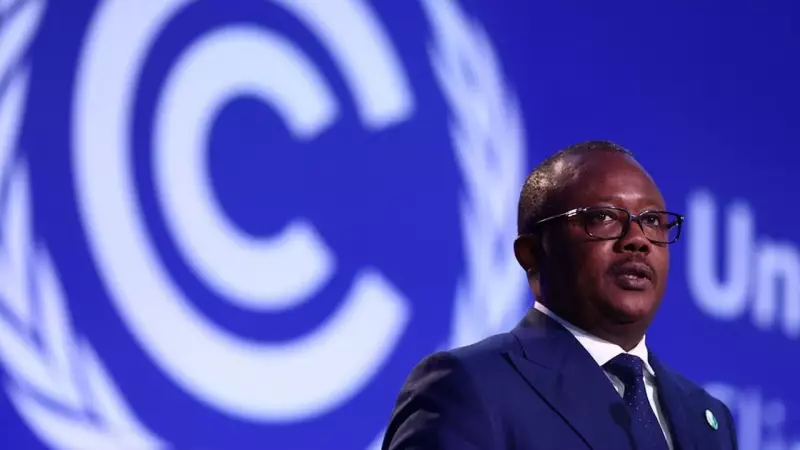
The army seized power on November 26, 2025, ousting the outgoing president, Umaro Sissoco Embalo. The military action came in the wake of a presidential vote, which the junta subsequently suspended. They announced they would control the West African nation for a period of one year. Following the coup, President Embalo fled the country after being briefly detained. Another opposition candidate, Fernando Dias, sought and was granted asylum at the Nigerian embassy in Bissau.
Regional Pressure and Diplomatic Efforts
The releases come amid mounting international and regional pressure. Just days before, on Sunday, Senegal's foreign minister led a delegation to Guinea-Bissau, where he met with detained opponents and formally requested their freedom. Furthermore, the Economic Community of West African States (ECOWAS) has threatened to impose "targeted sanctions" against anyone obstructing the country's return to civilian rule. This latest move by the junta is widely seen as a response to these pressures.
Guinea-Bissau has a long history of political instability. The November coup marks the country's fifth successful military takeover since it gained independence in 1974, accompanied by numerous attempted insurrections. The international community continues to watch closely, hoping this release signals a genuine move towards dialogue and the restoration of democratic governance.