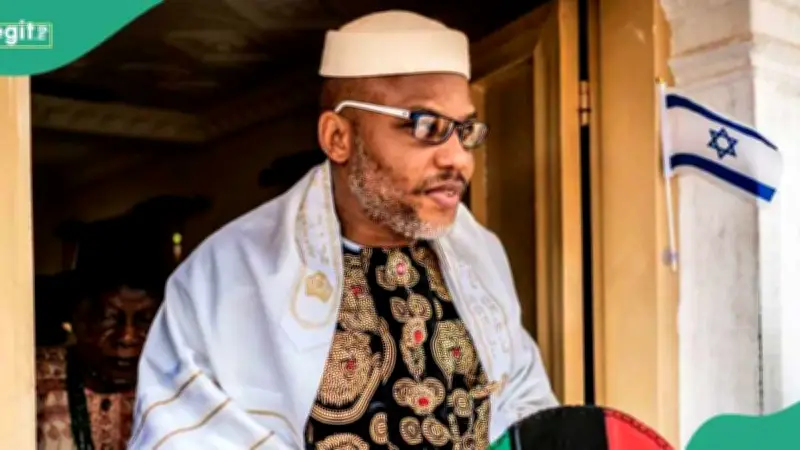
The Indigenous People of Biafra (IPOB) has announced the indefinite suspension of the Office of the Leader of IPOB and the position of Director of Radio Biafra, roles previously held by its leader, Nnamdi Kanu.
Administrative Restructuring Announced
The group’s Directorate of State disclosed the decision in a statement, describing it as part of ongoing administrative and organisational adjustments within the separatist movement. IPOB stated that the suspension would remain in place until further notice, while adding that more details regarding the development would be communicated at the appropriate time.
Reactions Within the Movement
The announcement represents a major change in the structure of IPOB, as Nnamdi Kanu has been the central figure associated with both positions since the group’s formation. Although the statement did not provide specific reasons for the decision, the development has generated attention due to Kanu’s long-standing influence and role in directing the activities of the organisation. The group said the move was part of efforts to manage its internal affairs and strengthen its administrative processes.
Leadership Structure Faces New Questions
The suspension of the positions held by Kanu could have implications for IPOB’s leadership arrangement and future operations, with observers watching for further clarification from the group. Kanu, who remains a prominent figure in the Biafra agitation movement, has continued to attract attention over his legal challenges and the activities of IPOB. The organisation said additional information would be released when necessary as it continues with its internal decisions.
Obi Speaks on What He'll Do to Nnamdi Kanu
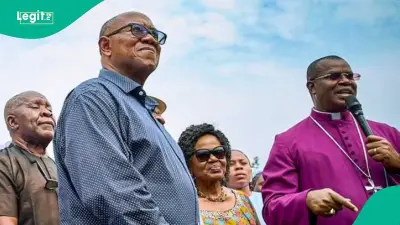
Previously, Legit.ng reported that the 2027 presidential candidate of the Nigeria Democratic Congress (NDC), Peter Obi, has stated that he would pursue dialogue and engagement with agitators, including Nnamdi Kanu, if elected president. Obi made the remarks while addressing supporters in Washington DC, United States, where he spoke about insecurity, political grievances and the need for a different approach to resolving national challenges.