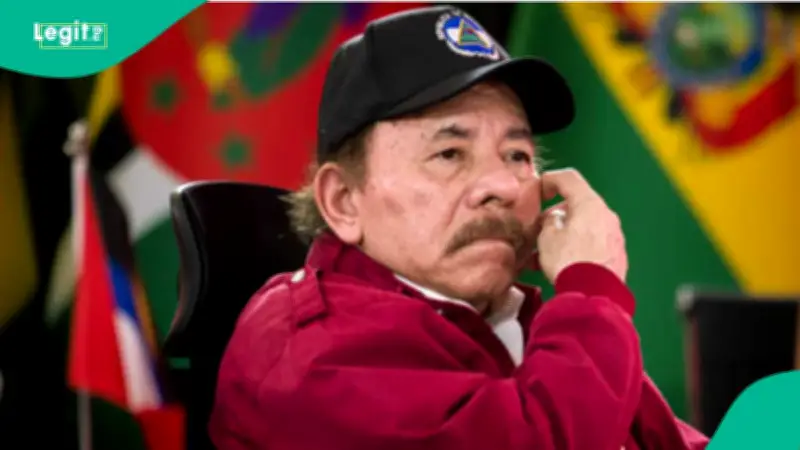
Nicaraguan President Daniel Ortega has proposed a constitutional reform package that would extend the presidential term by one additional year, further consolidating his grip on power. The proposal, submitted to the government-controlled National Assembly, also includes a ban on opposition figures whom the government classifies as 'traitors' or 'coup plotters' from contesting future elections. A vote on the reforms is expected in September 2026.
Constitutional Reforms and Political Exclusion
The proposed changes represent the latest in a series of moves by Ortega to reshape Nicaragua's political landscape. Alongside the term extension, the reforms would effectively bar any credible political challengers from running for office. The National Assembly, which is widely regarded as under Ortega's control, is expected to approve the package.
Ortega, 80, has ruled Nicaragua since 2007. He has previously rewritten the presidential term rules to eliminate term limits and lengthen the tenure. In 2014, the National Assembly removed presidential term limits entirely, and in 2024, it extended the term from five to six years. Additionally, the legislature approved Ortega's plan to designate his wife, Rosario Murillo, as 'co-president,' clearing the path for her to assume the presidency if Ortega is declared 'permanently absent' due to his reportedly poor health.
A Pattern of Power Consolidation
The last presidential election in Nicaragua took place in November 2021. Ortega won that contest after the government detained or forced into exile virtually every credible opposition candidate before polling day. Only a small number of little-known candidates with no realistic chance of broad support were permitted to participate. The proposed constitutional reforms are seen as a further step to ensure that no viable opposition can emerge in future elections.
Ortega's government has increasingly tightened control over political life. The proposed ban on 'traitors' and 'coup plotters' is vaguely defined, raising concerns that it could be used arbitrarily to disqualify any political opponent. Critics argue that the reforms are designed to entrench Ortega's rule indefinitely, with his wife as his heir apparent.
International Concerns and Domestic Crackdowns
The international community has expressed alarm over the deteriorating political situation in Nicaragua. United Nations human rights chief Volker Türk has warned that government repression has worsened since the 2021 election, with the rule of law continuing to erode and the persecution of political opponents intensifying.
Public dissent within Nicaragua has been rare since 2018, when security forces killed more than 300 people during a crackdown on anti-government protests. Since then, political opponents have been jailed, stripped of their citizenship, and exiled. Those who fled the country have not been spared: the Ortega government has seized and sold the properties they left behind. The proposed constitutional reforms are likely to deepen this crackdown, further silencing dissent and ensuring that Ortega's grip on power remains unchallenged.