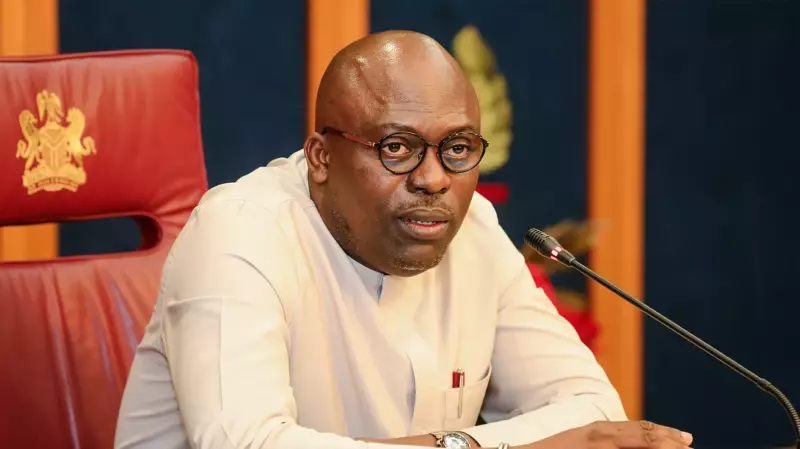
The political crisis in Rivers State took a new turn on Thursday, January 15, 2026, as the State House of Assembly did not reconvene following the expiration of a seven-day ultimatum issued to Governor Siminalayi Fubara and his deputy, Professor Ngozi Odu. This failure to sit has effectively stalled the momentum for impeachment, raising significant questions about the next steps in the prolonged standoff.
Ultimatum Lapses Without Legislative Action
On Thursday, January 8, 2026, the Assembly, led by Speaker Martins Amaewhule, served a notice of alleged gross misconduct on the governor and his deputy. The accusations included the demolition of the Assembly complex and unauthorized expenditure of state funds. Invoking Section 188 of the 1999 Constitution, the lawmakers adjourned their plenary to January 15, setting the stage for a potential impeachment proceeding.
However, when the scheduled date arrived, the Assembly complex remained shut. Security personnel manned the gates, and no legislative activity took place. The Chairman of the House Committee on Information, Petitions and Complaints, Enemi George, had earlier informed journalists that the House would not be sitting, confirming the halt in the impeachment process.
Internal Divisions and External Pressure
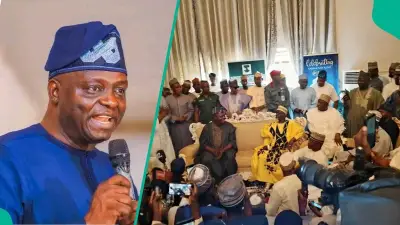
The development follows a public appeal by four lawmakers earlier in the week, urging their colleagues to suspend the impeachment move. The legislators—Minority Leader Sylvanus Nwankwo, Peter Abbey, Barile Nwakoh, and Emilia Amadi—called for deep reflection, extensive consultation, and a peaceful resolution to the crisis.
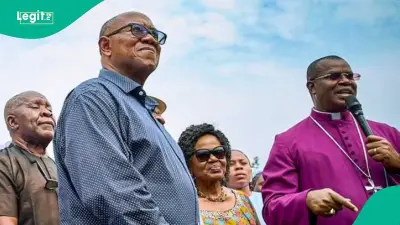
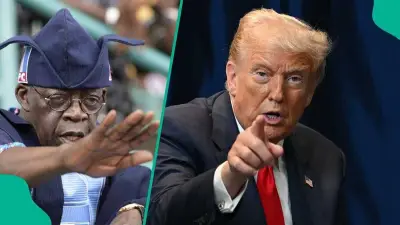
They cited interventions by respected elders and leaders from within and outside Rivers State, who advocated for restraint, dialogue, and reconciliation. Furthermore, sources indicate that President Bola Tinubu and other top political leaders in Abuja were displeased with the impeachment moves, a factor believed to have influenced the current pause in proceedings.
Governor Fubara's Stance Amidst the Turmoil
Throughout the escalating tension, Governor Siminalayi Fubara has appeared unperturbed. He has continued to carry out his official duties and has deliberately avoided any public or private commentary on the political impasse. His calm demeanor contrasts sharply with the heated rhetoric that has characterized the crisis in recent weeks.
The failure of the Assembly to reconvene marks a critical juncture in the power struggle. It signals a possible shift towards back-channel negotiations or a de-escalation, driven by both internal dissent within the legislature and significant pressure from national political figures. Residents of Port Harcourt and across the state now await clarity on whether this stalemate will lead to a lasting political solution or merely a temporary pause in hostilities.