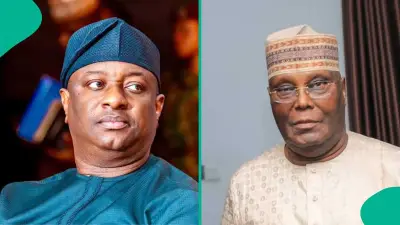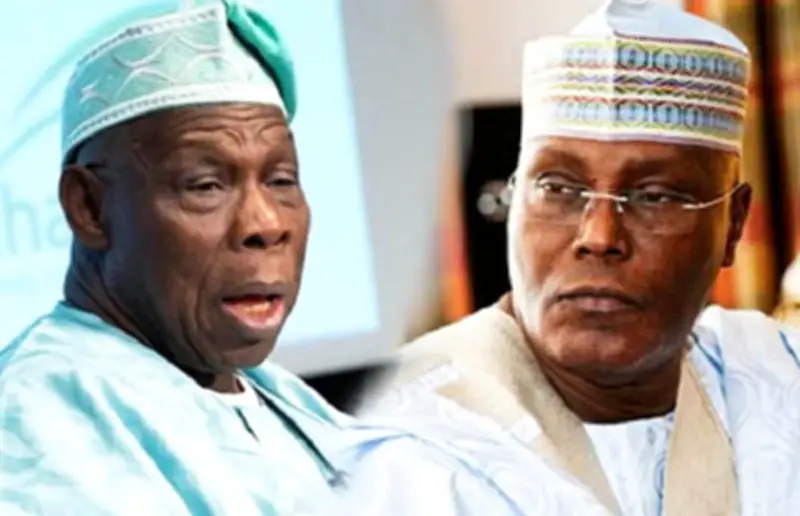
Atiku Abubakar, the presidential candidate of the African Democratic Congress (ADC), has asserted that former President Olusegun Obasanjo lacks any political or electoral value. Speaking to journalists on Wednesday, August 19, Atiku dismissed concerns over Obasanjo's refusal to endorse him, stating that Obasanjo's political influence is negligible.
Atiku claims Obasanjo owes presidency to Arewa
Atiku declared that Obasanjo could not even win his home state or the entire Southwest region during the 1999 elections. According to Atiku, it was the Arewa region that secured Obasanjo's presidency. “In 1999, he could not even win his own state or the Southwest; it was Arewa that made him President. He possesses no electoral value,” Atiku said.
The relationship between the two leaders has been strained since they left office in 2007 after completing two terms as President and Vice President, respectively. Atiku has previously revealed that his opposition to Obasanjo’s third-term bid was motivated by a desire to defend Nigeria’s Constitution and democracy, not personal loyalty.
Atiku highlights youth empowerment ahead of 2027
Turning to the 2027 general elections, Atiku emphasized his record of providing opportunities for young Nigerians during his tenure as Vice President. He noted that many of those individuals have since become governors, ministers, directors, and holders of other significant positions. Atiku pledged that if elected President, he would continue to prioritize youth involvement in governance. “As Vice President of Nigeria, I gave many young Nigerians the opportunity to serve in government. Some of them are now governors, ministers, directors and holders of other important positions. If I become President, young Nigerians will continue to be given opportunities to serve and lead,” he said.
Impact on political dynamics
Atiku's remarks underscore the ongoing rift between him and Obasanjo, a development that could shape alliances and endorsements in the lead-up to the 2027 elections. The ADC candidate's focus on youth empowerment and his dismissal of Obasanjo's electoral influence highlight his strategy to appeal to a broader electorate, particularly younger voters.