The Nigeria Democratic Congress (NDC) has stated that the party addresses disputes arising from its recently concluded primaries through an established stakeholder leadership structure. The National Secretary of the NDC, Ikenna Enekweizu, disclosed this in a statement released on Thursday night.
Primary Process and Allegations
The NDC conducted its primaries on May 29 ahead of the 2027 general elections. However, the party has yet to announce the results of the exercise amid allegations of manipulations by some aspirants. Mr Enekweizu explained that the party's stakeholder leadership structure includes what he termed caucus heads in all states of Nigeria.
These leaders were entrusted with conducting stakeholder consultations, building consensus, and making recommendations to the party based on their understanding of the peculiar political dynamics in their respective states. In addition, each state has recognized stakeholders and grassroots leaders who participate in consultations and make recommendations regarding party affairs.
Dispute Resolution Process
Mr Enekweizu emphasized that the process of resolving disputes from the NDC primaries was without prejudice to the rights of any aspirant. Where aspirants disagreed with recommendations made by stakeholders or caucus leaders, they were free to test their popularity through the democratic process at the grassroots level, and this was duly accommodated.
He stressed that the NDC National Secretariat was never involved in the process of picking, choosing, or imposing candidates on any constituency or state. Every aspirant who approached the party was received, attended to, and directed to engage with the appropriate caucus leaders, stakeholders, and grassroots members of the party in their respective states.
Premature Results Declaration Addressed
The national secretary said the NDC was aware that some aspirants prematurely declared themselves as candidates, among other complaints during the primaries. These issues have been brought to the attention of the appeal panel and the leadership of the party and have been addressed accordingly.
Mr Enekweizu noted that the NDC resolved on Wednesday at the party's National Executive Council meeting that it is now looking forward to the commencement of a comprehensive reconciliation process. We count on our esteemed caucus leaders, state chairmen, stakeholders, and party leaders to engage all aspirants and members in the interest of unity, cohesion, and the continued growth of our party.
Peter Obi's Leadership in the South-East
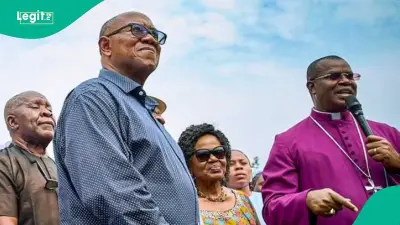
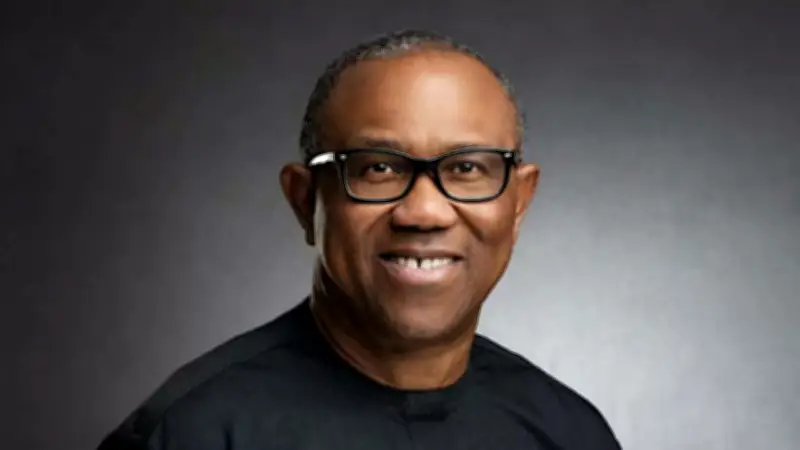
Mr Enekweizu also spoke about the NDC's presidential candidate, Peter Obi, and his leadership of the party in the South-East region where he hails from. The national secretary stated that Mr Obi moved into the NDC with an established leadership structure.
This structure comprises respected elder statesmen and political leaders who serve as caucus heads in their respective states. Listing the caucus leaders across the region, Mr Enekweizu said a former Chairman of the Niger Delta Development Commission, Ugochukwu Onyema, heads the Abia State caucus of the NDC, while a former governor of Ebonyi State, Sam Egwu, heads the party's caucus in that state.
A former governor of Imo State, Achike Udenwa, leads the NDC's caucus in Imo, while a former governor of Old Enugu, Okwesilieze Nwodo, heads the caucus in Enugu State. Mr Nwodo is a former National Chairman of the then-ruling Peoples Democratic Party and previously served as the President-General of Ohanaeze Ndigbo, the Igbo socio-cultural organization. Mr Enekweizu added that Mr Obi's team coordinates the caucus leadership in Anambra State, where he served as governor from 2006 to 2014.