A significant push to formally separate the Hausa and Fulani ethnic identities in Nigeria's national records has ignited a heated debate, revealing deep divisions within the groups themselves. While a northern-based movement is lobbying the federal government for distinct recognition, the Hausa community in Anambra State has publicly and firmly rejected the proposal.
Movement Demands Distinct Federal Recognition
The controversy stems from a formal request made by the Guguwar Hausawa Tsantsa Movement. In an open letter addressed to President Bola Ahmed Tinubu and dated January 2026, the group called for a clear administrative separation between Hausa and Fulani communities in all federal matters.
The movement's coordinator, Hajiya Kaltume Alumbe Jitami, argued that decades of merged identity have disadvantaged the Hausawa in areas like education, employment, and political representation. The group presented specific demands, including:
- Distinct classification in examinations like NECO and WAEC, vocational certifications, and university admissions.
- Separate identification in national census exercises and traditional marriage rites in Northwestern states.
- Clear labeling of "Hausa" on national identity cards issued by the National Identity Management Commission (NIMC) and on voters' cards.
The group framed its request as a matter of justice and fairness, not division. It also linked its support for a potential second term for President Tinubu to the granting of this demand, stating it would demonstrate a commitment to inclusivity.
Anambra Hausa Community Issues Strong Rebuttal
In a swift and decisive response, the Hausa community in Anambra State has distanced itself entirely from the separation agenda. Speaking exclusively in Nnewi on Saturday, January 17, 2026, the Northern community leader in the area, Sarki Salihu Suleiman, dismissed the idea as "mission impossible."
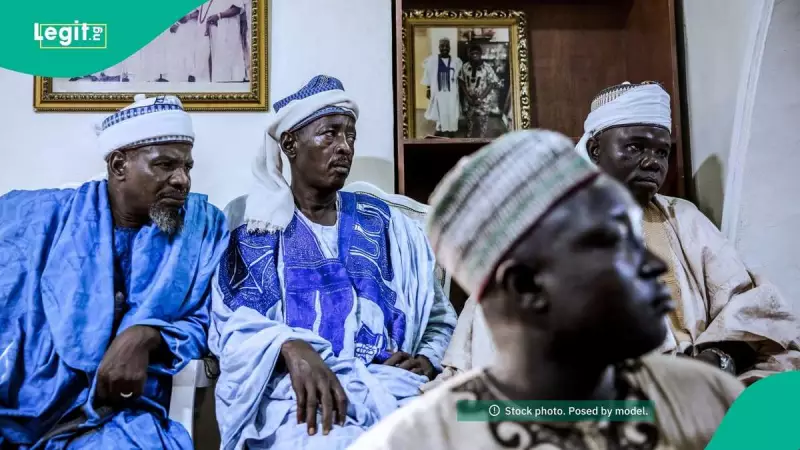
Suleiman anchored his opposition in the Nigerian constitution and historical precedent. He emphasized that since Nigeria's independence in 1960, Hausa and Fulani have been unified. He pointed to the deep social integration across northern Nigeria's 19 states, where intermarriage is so prevalent that distinguishing between the groups is often difficult.
"One will hardly know who is who. There is hardly any family in northern Nigeria where Hausa and Fulani people do not intermarry, bearing children together. So, who are we separating from who?" Suleiman questioned.
Potential Governance and Traditional Complications
The Anambra-based leader warned of practical and governance nightmares that could arise from formal separation. He highlighted that many traditional rulers in major northern cities like Kano and Sokoto are historically from Fulani lineages, while their subjects are a mix of both groups.
"If, for instance, we decide to separate Fulani from Hausa and treat them as separate people, it means that in places like Kano, Sokoto, etc, we have to separate the institution of the monarchy from the citizens. How is it going to be?" he argued.
He also posed a rhetorical question about the precedent it would set, noting that his home state of Adamawa has over 116 language groups, implying that similar demands could fracture the nation's record-keeping further.
Suleiman concluded with a definitive statement on behalf of the Hausa community in Nnewi and Anambra: "We're not part of the request, and we cannot at any time request for separation of Hausa ethnic nationality from Fulani in national records." This stark contrast in positions underscores the complex layers of identity, politics, and history that define Nigeria's ethnic landscape.