Daniel Bwala's London Interview Sparks Outrage Over Political Decency
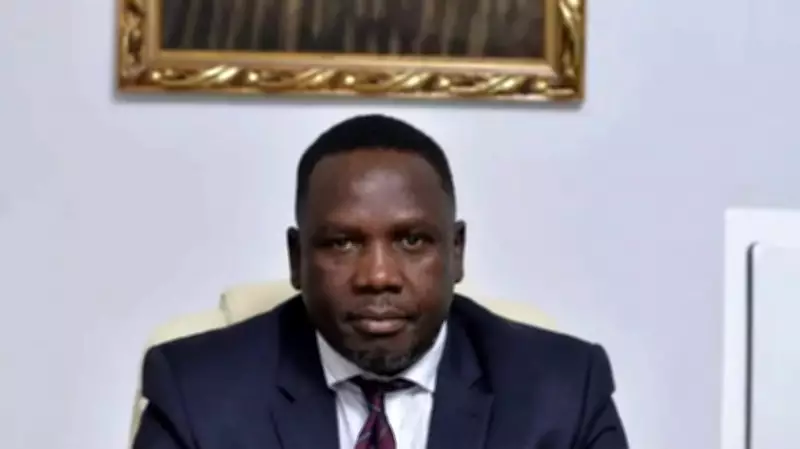
In a stunning display that has reverberated across global media, Daniel Bwala, serving as President Bola Tinubu's Adviser on Policy Communications, faced severe criticism following his appearance on Al Jazeera. The interview, hosted by Mehdi Hasan, exposed Bwala to widespread derision as he defended his actions with claims of duty, echoing Bernard Shaw's critique of those who mask shameful acts as obligations.
A Clash of Wits on the Global Stage
During the talk show, Hasan meticulously challenged Bwala on past statements, leading to awkward denials and a performance described as abysmally poor. Bwala, who had sent video clips beforehand to showcase his preparation, was caught off-guard by Hasan's probing questions about public knowledge and his principal's office. In a cynical admission post-interview, Bwala confessed he expected a more complacent, Nigerian-style Q&A, not the rigorous scrutiny he received.
Hasan's sense of humour and journalistic prowess highlighted Bwala's inconsistencies, reducing him to a figure of mockery in skits and public discourse. Despite Bwala's local reputation as a brilliant image-maker, his London outing painted him as consistently inconsistent, drawing comparisons to historical figures like Mungo Park in his discovery of harsh reality.
The Fallout and Broader Implications
This incident raises critical questions about the profession of image-making and public relations in politics. Bwala's shifting allegiances and conflictive policy positions, as noted in the article, reflect a broader trend where truth-telling becomes a rare virtue. The reduction of such roles to mere pawns in political chessboards, driven by "stomach infrastructure" or personal gain, undermines public trust and clarity in governance communications.
As commentator Alade Rotimi-John argues, Bwala's offense against decency is not just an individual failure but a symptom of a system entrenched in lie-telling and subpar performance. While Bwala may recover with sardonic smiles, the damage to the profession's integrity lingers, urging a reevaluation of ethical standards in political communication.
Key Takeaways from the Bwala Experience- Political communicators must prioritize truth and consistency to maintain public credibility.
- Global media scrutiny can expose local champions to harsh realities, demanding better preparation.
- The profession of image-making requires robust institutional systems to prevent individual failures from tarnishing its reputation.
Ultimately, Bwala's London debacle serves as a cautionary tale, emphasizing that aesthetic thought and truth-telling should be the armour of every public communicator, lest they offend our collective sense of decency.