Hausa Community Leader Calls for Global Peace Dialogue Amid Fuel Crisis
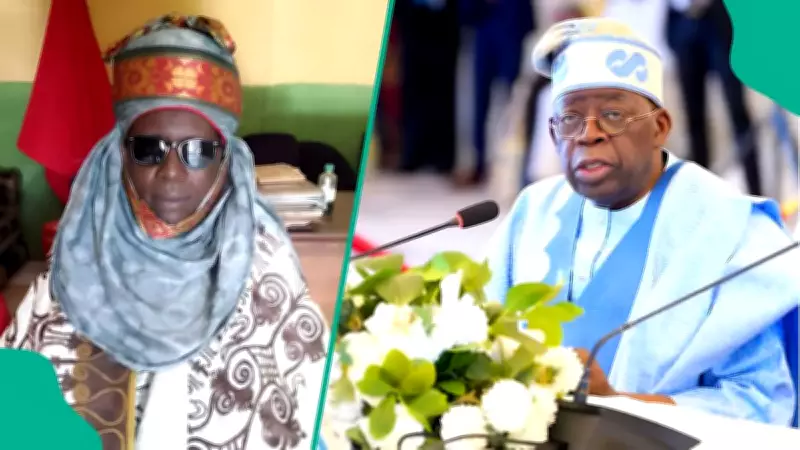
Alhaji Salihu Suleiman, a prominent Hausa community leader based in Nnewi, Anambra State, has issued a passionate appeal for world leaders to engage in urgent dialogue to resolve the escalating conflict between the United States and Iran. Speaking exclusively after Eid al-Fitr prayers, Suleiman emphasized that the ongoing war is having severe repercussions on Nigeria's economy, particularly through skyrocketing fuel prices that have now reached approximately N1,400 per litre.
Impact of Global Conflict on Nigerian Economy
In his detailed remarks, Alhaji Suleiman highlighted the direct correlation between the international tensions and domestic economic challenges. "Before the war started, the pump price of fuel used to be N800, but today, because of this war, the price has skyrocketed to about N1,400 per litre," he stated. He further noted that diesel prices have surged to around N1,700 per litre, creating immense pressure on businesses and households across Nigeria.
The community leader expressed deep concern about how these price increases are affecting ordinary citizens. "What I'm saying in essence is that those in the position to resolve this crisis should do so as a matter of urgency," Suleiman urged, pointing out that transportation costs have tripled for Hausa traders moving goods between northern and eastern regions of the country.
Appeal for Peace and Economic Relief
Alhaji Suleiman, speaking during the Eid al-Fitr celebrations that marked the end of Ramadan, framed his message within the context of Islamic values. "Islam means peace. As Muslims all over the world celebrate this holy festival, we call on all countries of the world to embrace peace," he declared. "War is not good. It cannot lead the world anywhere. It is easy to start a war, but stopping it is always difficult, and in the end, nothing positive will be achieved."
The Hausa leader attributed the conflict to "selfishness and pride" and expressed worry that even religious pilgrimages like Hajj might be affected by the ongoing hostilities. He called for fervent prayers alongside diplomatic efforts, expressing optimism that divine intervention could help restore global peace and economic stability.
Message to President Tinubu and Electoral Concerns
Turning his attention to domestic matters, Alhaji Suleiman appealed directly to President Bola Ahmed Tinubu to address the economic hardship facing Nigerians. He specifically called for government intervention to subsidize fuel prices and stricter monitoring of petroleum marketers whom he accused of exacerbating the crisis through unfair pricing practices.
Looking ahead to the 2027 general elections, the community leader emphasized the importance of electoral integrity. He urged President Tinubu to ensure strict adherence to the Electoral Act and called on the Independent National Electoral Commission (INEC) to conduct the electoral process transparently. "Whoever wins at any level of the election should be declared the winner, and should be given the mandate," Suleiman concluded, stressing the need to preserve democratic principles.
Broader African Context of Fuel Price Increases
The situation in Nigeria reflects a wider trend across Africa, where fuel prices have been climbing sharply due to the US-Iran conflict. While Nigerians currently pay about N1,143 per litre on average, other African nations face even steeper costs, with Malawi experiencing the continent's highest prices at N4,074 per litre. In contrast, Libya maintains the lowest fuel prices at just N34.20 per litre, highlighting significant disparities across African fuel markets amid global tensions.
Alhaji Salihu Suleiman's statements underscore the interconnected nature of global conflicts and local economies, emphasizing how diplomatic resolutions thousands of miles away can directly impact the daily lives of Nigerian citizens struggling with rising living costs.