Nigeria's Democracy: A Work in Progress Amidst Reforms and Challenges
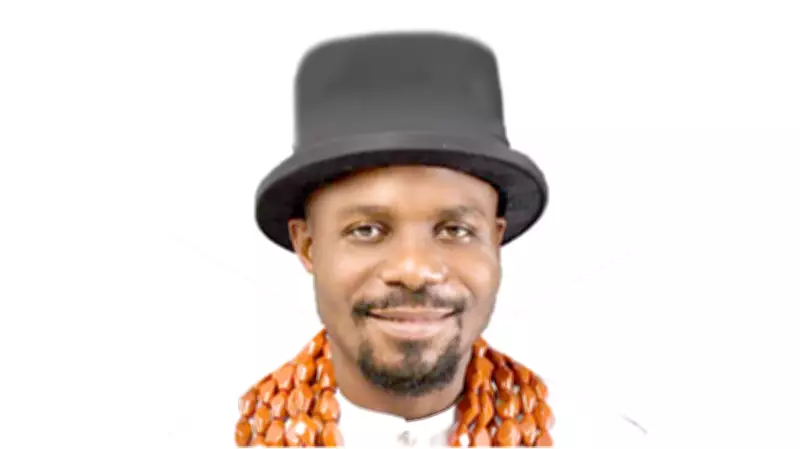
Eshanekpe Israel, popularly known as Akpodoro, head of the Association of Urhobo Mayoral Family Crown (AUMFC) and Mayor of Urhobo Land in Delta State, asserts that Nigeria is charting a new path of recovery and national rebirth under President Bola Tinubu. In an exclusive interview, he spoke confidently on the country's evolving future and other pressing issues, highlighting both progress and deep-seated challenges.
Evolution of Nigeria's Political Landscape Since 1999
Nigeria is evolving and surging towards a new direction of national recovery and rebirth, driven by President Bola Ahmed Tinubu and his transformative strides under the Renewed Hope Agenda. As a nation, we are progressively moving towards sustainable economic development, growth, and real progress, moving away from the artificial growth experienced in the past.
However, Nigeria's political development is a story of progress mixed with deep structural challenges. On one hand, the country has sustained democratic rule since 1999, marking its longest uninterrupted civilian governance. Regular elections, transitions of power, and the growing assertiveness of institutions like the judiciary and civil society indicate that democracy has taken root. The emergence of competitive politics, seen in shifting alliances, defections, and coalition-building, also reflects an evolving political landscape.

On the other hand, these gains are undermined by persistent issues. Party ideology remains weak, with politics driven more by personalities, patronage, and access to state resources than by clear policy alternatives. Frequent defections, often without consequences, have blurred ideological lines and weakened opposition strength, raising concerns about a drift toward a dominant-party system.
There is also a widening trust gap between citizens and the political class. Many Nigerians feel disconnected from governance due to economic hardship, perceived electoral irregularities, and unfulfilled campaign promises. This has contributed to growing voter apathy, especially among young people.
At the institutional level, while bodies like the Independent National Electoral Commission (INEC) have made improvements, concerns about electoral transparency, logistics, and enforcement of the Electoral Act persist. Similarly, governance at both federal and state levels is often criticised for prioritising political survival over long-term development.
Ultimately, Nigeria's democracy remains a work in progress. Its future will depend on strengthening institutions, enforcing accountability, promoting issue-based politics, and rebuilding public trust. Without these, political development may continue to advance in form, but not in substance.
President Tinubu's Reforms and Guinness World Records Claim
President Tinubu's claim about deserving a place in the Guinness World Records is largely rhetorical. His administration has pursued bold reforms, including fuel subsidy removal, forex unification, and fiscal changes, long avoided by previous governments. Supporters see this as historic courage.
However, the reforms have also triggered severe economic hardship, rising inflation, and public discontent. Critics argue that impact, not intent, defines success. Moreover, Guinness World Records does not recognise political reforms. Ultimately, Tinubu's legacy will depend on whether these policies deliver lasting economic relief and tangible improvements in Nigerians' living conditions.
But to me, more than anyone else in the annals of Nigeria's socio-political development, President Tinubu deserves even greater recognition than that.
Assessment of Nigeria's Current Unemployment Rate
The global economic order today no longer emphasises white-collar employment but prioritises technology, science, and self-sustaining enterprise. No government in the modern world creates jobs directly; rather, it provides an enabling environment for creativity, entrepreneurship, and business to thrive. Employment is now largely driven by the private sector and investors.
We therefore have a responsibility to reorient our growing youth population away from dependence on white-collar jobs and towards building sustainable self-employment models, as seen in China and other Asian economies.

On the other hand, we must come to terms that unemployment in Nigeria remains alarmingly high, especially among youths, and continues to erode economic stability and social cohesion. It fuels poverty, crime, migration pressures, and widespread frustration with governance. If left unaddressed, it could threaten not necessarily the existence of the state, but its unity and long-term progress.
The challenge reflects structural issues, weak industrial growth, poor policy implementation, and a mismatch between education and labour market needs. Addressing it requires deliberate investment in job creation, education reform, and support for small businesses; otherwise, the consequences will continue to deepen.
Factors Contributing to Nigeria's Economic Decline
This assertion is subjective and depends on perception. I do not believe Nigeria is poor but rather an evolving great nation undergoing a difficult but necessary transformation that will position it among the world's leading economies. Nigeria is not, and cannot be, poor in the real sense, unless poverty is narrowly defined.
Are we poor in human capital? Are we poor in natural resources? In what sense are we poor? This narrative is often promoted by critics of the government and amplified for political reasons. A country that produces billionaires, professionals, and innovators across various sectors, and contributes to global advancements in science, technology, and medicine, cannot be described as poor.
What may exist is political or administrative poverty, but in terms of human capital and potential, Nigeria remains immensely rich.
Strategies for Building a Prosperous, Fair, and Equitable Society
Character reformation, value rebirth, and sustained support for President Tinubu, particularly towards the 2027 presidential election, are essential to prevent a reversal of the gains already made under the ongoing transformation process. The reforms are ongoing, and by the end of this administration, probably in 2031 if God willing, Nigerians should expect a more just, equitable, and functional society.
On the other hand, building a prosperous, just, and equitable society requires deliberate, people-centred governance anchored on accountability, inclusion, and opportunity. The government must prioritise quality education, accessible healthcare, and job creation, while investing in infrastructure that supports productivity.
Equally important is strengthening institutions, especially the judiciary and anti-corruption agencies, to ensure fairness, uphold the rule of law, and build public trust. Economic policies must also aim to reduce inequality by supporting small businesses and protecting vulnerable populations.
Citizens, too, have a role to play by demanding transparency, participating in civic processes, and upholding shared values. Sustainable progress ultimately depends on a strong social contract where leadership is responsible and citizens are actively engaged.
Perspective on True Federalism in Nigeria
Federalism has only one definition; there is nothing like "true" or "false" federalism. However, structural restructuring of governance is necessary. President Tinubu has initiated this process by attempting to strengthen local governments as an independent tier of government, although beneficiaries of the current system continue to resist such reforms due to entrenched interests.
Proponents of "true" federalism should instead focus on eliminating corruption within the system, as corruption can undermine any structure, regardless of its design. Governance must be decentralised and brought closer to the grassroots, while the central government is de-emphasised.
Nigeria's Path to Greatness Under Tinubu's Reforms
Yes, Nigeria is on a verifiable path to renewed greatness, driven by well-designed policies across fiscal management, infrastructure, agriculture, education, and security. There are noticeable improvements in security, and foreign direct investment is gradually increasing. There is a renewed sense of hope in the country's future.
Essential Elements for Sustainable Governance in Nigeria
A sustainable governance structure for Nigeria must rest on a few non-negotiable pillars. First, strong institutions must take precedence over strong individuals, an independent judiciary, credible electoral bodies, and a legislature capable of effectively checking executive power.
Second, there must be adherence to the rule of law and accountability, where leaders are subject to the law and corruption is decisively addressed. Third, governance must be inclusive, ensuring that all regions and groups feel represented.
Fiscal federalism is also essential, allowing subnational governments greater control over resources while maintaining national cohesion. Transparent economic management and job-creating policies are equally critical. Finally, active citizen participation, through a free press, civil society engagement, and credible elections, ensures that the government remains responsive and legitimate.
In addition, all tiers of government must enjoy genuine independence, particularly in fiscal matters, while working collaboratively to deliver governance effectively at the grassroots level. Citizens must be actively involved in decisions affecting them, that is the essence of liberal democracy.
View on Sunday Igboho's Assessment of Tinubu's Reforms
That assertion is largely correct. President Tinubu has broken longstanding barriers in governance. He removed the fuel subsidy, dismantled the dominance of the parallel foreign exchange market, and improved liquidity in the banking system. Allocations are now paid directly to local governments, while profiteering and systemic leakages are being addressed.
Oil production has increased, supported by improved security in the Niger Delta, and inefficiencies such as round-tripping are gradually declining. Major infrastructure projects, including the Sokoto–Badagry and Calabar–Lagos superhighways, along with progress in health and education, are notable achievements. The administration has also maintained relative stability in tertiary institutions, with minimal industrial disruptions.
Progress in the Niger Delta Under Tinubu's Leadership
The Niger Delta is experiencing a re-engineered and increasingly stable economic outlook. Youth engagement has improved, particularly with the creation of the South-South Development Commission (SSDC), complementing existing intervention agencies. With capable leadership in these institutions, the region is gradually positioning itself for greater economic growth and stability.
Areas for Improvement for Delta State Governor
The Governor of Delta State, Sheriff Oborevwori has made significant progress in infrastructure development, particularly in road construction. His performance in administration and security is commendable. However, greater attention should be given to agriculture and healthcare delivery.
The government should make agriculture more attractive to young people by providing accessible financing and ensuring proper monitoring. Primary education also requires urgent intervention and should not be left solely to private investors. Overall, Oborevwori has demonstrated commendable leadership, but there remains room for improvement in critical sectors.
Assessment of Nigerians' Perception of Their Country
Nigerians must stop demarketing their country. Nigeria remains one of the most promising economies in Africa and a nation of immense potential. This generation must learn to value and promote its country. When citizens speak negatively about Nigeria abroad, they inadvertently weaken its global image, yet in times of difficulty, they still rely on the country for support.
There is no nation like Nigeria. It is our collective heritage and must be protected. Agencies like the National Orientation Agency (NOA) should intensify efforts to promote patriotism, national unity, and civic responsibility among citizens.