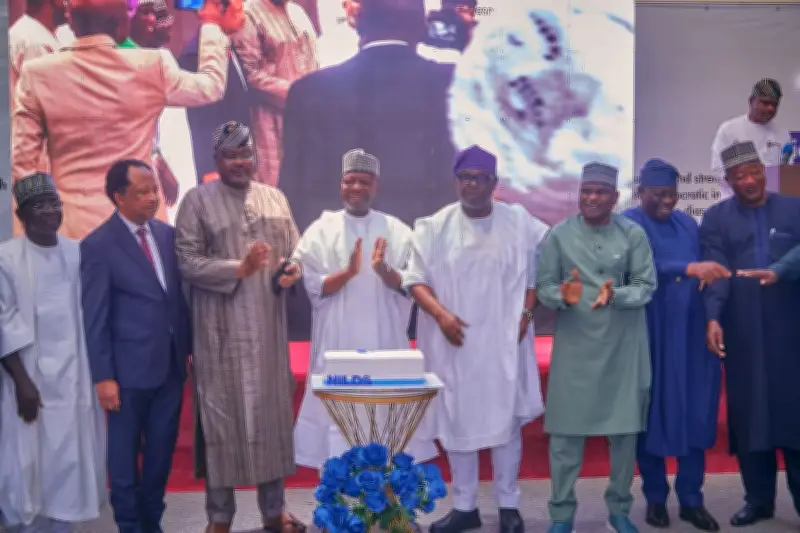
The Director-General of the National Institute for Legislative and Democratic Studies (NILDS), Professor Abubakar Sulaiman, has outlined an ambitious vision to position the institute as the world's premier intellectual hub for democracy. Speaking at a ceremony marking his seven years of stewardship at NILDS headquarters in Abuja, the former Minister of National Planning emphasized that the institute should serve not only the Nigerian Parliament but also legislatures across Africa and democratic institutions worldwide.
Seven Years of Institutional Transformation
Professor Sulaiman noted that his administration prioritized institutional development, staff welfare, research excellence, and legislative capacity building, positioning NILDS as a leading democratic governance institution across Africa. He highlighted key achievements, including the strengthening of academic programmes and improved staff welfare. "I have impacted researchers, strengthened academic programmes and improved staff members' welfare because every worker contributes meaningfully to the institute's growth and institutional excellence," he said.
The Director-General stressed that support staff, including drivers and other non-academic employees, deserve equal recognition. "Before I came on board, non-academic staff members rarely pursued higher education. Today, many have earned doctoral degrees because we deliberately removed unnecessary institutional barriers," he added.
Call for Youth Participation in Democracy
Professor Sulaiman urged young Nigerians to actively engage in democratic governance, asserting that meaningful reforms emerge only when citizens participate constructively in political and electoral processes. "If you refuse to participate in the political process, you cannot continually condemn those making decisions. Democracy demands resilience, participation and responsible civic engagement," he stated.
Reflecting on his own student union leadership days, he encouraged youths to remain hopeful and committed. "I never imagined reaching this position, but participation opened opportunities. If I succeeded through engagement, young Nigerians can equally achieve their aspirations," he emphasized.
Advice for Successor and Global Vision
Professor Sulaiman advised the incoming Director-General to learn from past experiences, consolidate existing achievements, and build a stronger institution for future generations. He envisioned NILDS becoming a global destination for legislative research, democratic governance, policy development, and capacity building beyond Nigeria and Africa. "I see NILDS serving political actors across the world. I want NILDS to become the intellectual hub of democracy, not only for Africa but globally," he noted.
He revealed that legislatures from countries including Ghana, Gambia, Somalia, and South Africa increasingly recognize NILDS as a preferred destination for legislative capacity development programmes. He thanked staff, partners, and stakeholders for supporting his administration over seven years, reaffirming NILDS' commitment to strengthening democratic institutions through research, innovation, and collaboration.
Celebration Highlights
The event featured a keynote address by human rights activist and former Senator Shehu Sani, who underscored the importance of strengthening democratic institutions, promoting high-quality legislative research, and sustaining capacity development for effective governance. Senator Sani, the All Progressives Congress candidate for Kaduna Central, commended Professor Sulaiman's visionary leadership and the remarkable progress NILDS has made in advancing legislative development, democratic governance, and policy research in Nigeria.
A highlight of the celebration was the inauguration of a clinic, reaffirming the Director-General's commitment to employee welfare and improved healthcare service delivery. Dignitaries, including members of the National Assembly, delivered goodwill messages and applauded Professor Sulaiman's leadership and contributions to strengthening legislative capacity in Nigeria and across the continent.