
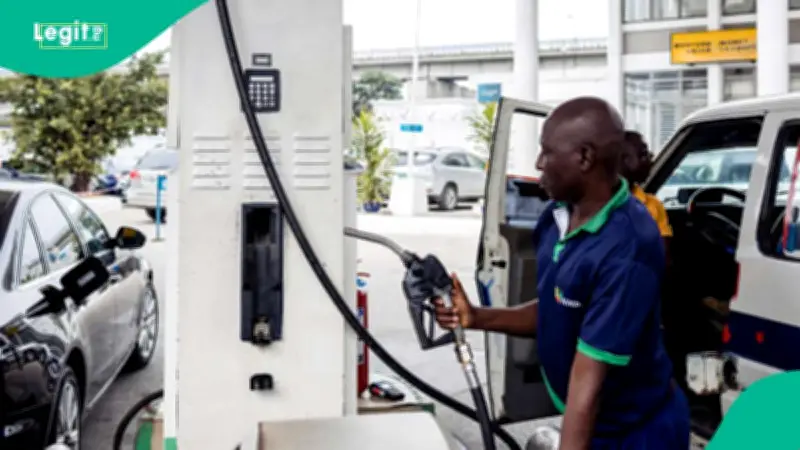
Motorists have criticised the Nigerian National Petroleum Company Limited’s (NNPC) decision to restrict its ₦66-per-litre petrol discount to users of its Fuel App, warning that the condition could exclude Nigerians who need the relief most. The complaints follow the federal government’s announcement that NNPC Retail would forgo its profit margin for 30 days to cushion rising fuel costs, with priority given to public transport operators.
App-Only Discount Draws Complaints
According to LEADERSHIP Sunday, the reduction was not automatically available to customers paying directly at filling-station pumps. At some Abuja outlets, motorists reportedly paid ₦1,405 per litre through regular purchases, while app users paid ₦1,339. For customers buying 30 litres, the discount represents savings of ₦1,980. However, motorists say smartphone ownership, data costs, unreliable networks, and unfamiliarity with digital payments could prevent some drivers from benefiting.
NNPC’s Chief Corporate Communications Officer, Andy Odeh, told LEADERSHIP Sunday that the app-based Independence Anniversary promotion was the same initiative referenced in the government’s October 8 announcement. Originally scheduled for October 1 to 7, the promotion was extended until October 31, 2026. Odeh said restricting access to the application would help control transactions, prevent abuse, and ensure the benefit reached intended customers. He added that the arrangement would encourage adoption of the platform and improve customer experience.
Drivers Demand Pump-Side Access
Across Abuja, Ogun, Nasarawa, and Niger, motorists urged NNPC to make the discount available directly at pumps. Segun Komolafe, a motorist, questioned why customers needed an application to benefit from a public relief initiative, noting that not everyone owned a smartphone or could afford data. Musa Ibrahim, a commercial driver on the Abuja–Keffi route, said limited internet access and difficulty using the application had prevented him from accessing the reduction.
In Suleja, commercial bus driver Abubakar Mohammed said many transport operators bought petrol with cash collected from passengers. He argued that requiring online payments could leave such drivers behind. Other motorists said residents of smaller towns and rural communities faced additional challenges because of unreliable network coverage. Their concern is whether the delivery method matches the circumstances of the people the intervention is supposed to support.
Government Insists Subsidy Has Not Returned
The Minister of Finance and Coordinating Minister of the Economy, Taiwo Oyedele, said the discount was funded through NNPC Retail’s margin, rather than the federal budget or Federation Account. According to him, the company purchases petrol from Dangote Refinery and other suppliers at market prices, then adds its retail margin. Temporarily reducing that margin, he explained, allows customers to pay less without the government financing part of their purchases.
The ₦66 reduction applies to the prevailing price at participating outlets, meaning it does not establish a uniform nationwide pump price. Oyedele also argued that higher sales volumes and stronger customer loyalty could help offset the lower margin.
Motorists Seek Lasting Price Cuts
Beyond access, drivers questioned how much difference a temporary discount would make while petrol remained above ₦1,300 per litre at several outlets. Lagos–Ibadan interstate driver Ibrahim Mukaila welcomed short-term relief but expressed concern about what would happen when the intervention ended. Other motorists called for clearer explanations of the funding arrangement and more substantial, lasting reductions.
ECL Asset Management Managing Director Charles Fakrogha said stronger competition and increased domestic refining capacity were essential to achieving lower, more stable prices. For motorists, the immediate test is whether the promised savings become accessible. The longer-term challenge is sustaining affordable fuel without creating fresh uncertainty for households and transport businesses.




