Protesters Rally Against Pipeline Contract Decentralization Amid Security Talks
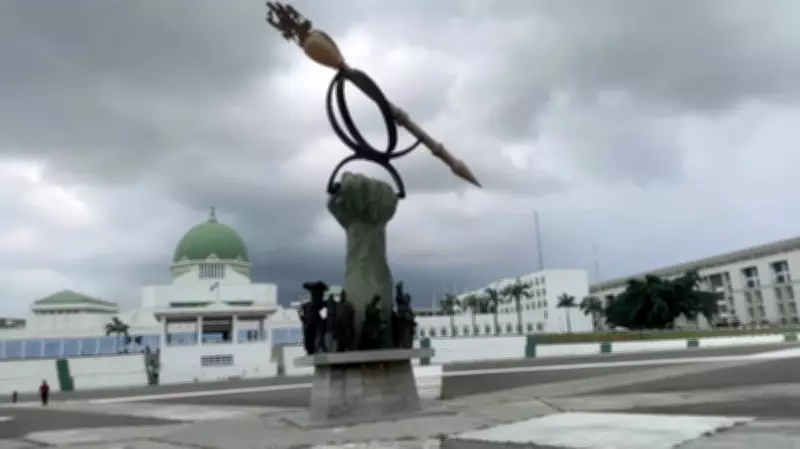
On Wednesday, demonstrators assembled at the entrance of the National Assembly in Abuja, vehemently opposing proposed moves to decentralize pipeline surveillance contracts. This protest unfolded simultaneously with a high-level parliamentary roundtable convened by lawmakers and top security officials to deliberate on pipeline security and strategies to combat rampant crude oil theft across Nigeria.
Voices from the Protest Grounds
The protesters, carrying placards with messages such as "Oil thieves are now conspiring against Tantita," "We are okay with Tantita," "Stronger surveillance," and "Tantita has stopped bunkering," voiced their concerns through spokesperson Teslim Kolawole. Kolawole emphasized that their action aimed to safeguard the significant achievements recorded under the existing pipeline surveillance and contract management framework.
He argued that pipeline contracts and security measures must be driven by tangible outcomes, highlighting how current arrangements have led to increased crude oil production, reduced incidents of vandalism, and enhanced community engagement in the Niger Delta region. Kolawole referenced reports indicating Nigeria's crude oil output surged to approximately 1.8 million barrels per day in November 2024, a dramatic rise from lows of around 500,000 barrels per day before private surveillance operators were engaged in 2022.
Measurable Gains and Economic Impact
"The conversation around pipeline surveillance must be guided by results, because when national assets are secured, the economy benefits, communities stabilize, and young people gain real opportunities," Kolawole stated. He pointed out that Tantita Security Services Nigeria Limited has become a visible component of a broader national effort that has helped restore confidence in pipeline security and crude oil production. This assertion aligns with statements from Nigeria's state oil company, which confirmed oil production reached 1.8 million barrels per day in November 2024, as widely reported by major news outlets.
Kolawole further detailed that the current framework has fostered youth empowerment in the Niger Delta, benefiting over 45,000 young individuals through entrepreneurship grants, ICT training programs, and agricultural initiatives. Additionally, he highlighted contributions to education and community infrastructure, along with a rice farming project designed to provide sustainable alternatives to illegal oil-related activities.
Call for Continuity and Transparency
"So our message today is simple. This is not the time to weaken a framework that has helped restore production, support youth enterprise, improve education, and create alternatives to criminality. This is the time to strengthen accountability, improve coordination, and protect what is working," Kolawole asserted. He urged lawmakers to exercise caution and thoroughly consider the facts and figures before making any decisions regarding pipeline contract decentralization.
He added, "When a programme produces measurable gains in oil security, education, skills, agriculture, and youth engagement, the responsible thing is not disruption; it is consolidation. Therefore, we call for continuity, transparency, and support for every initiative that secures national assets while also lifting people."
Inside the National Assembly Roundtable
Meanwhile, inside the National Assembly, lawmakers conducted a parliamentary roundtable focused on pipeline security and the fight against crude oil theft. The session featured key participants including Group Chief Executive Officer (GCEO) of the Nigerian National Petroleum Company Limited (NNPC Ltd), Bashir Bayo Ojulari, Chief of Defence Operations, Jamal Abdulsalam, and representatives from the Office of the National Security Adviser and the Ministry of Defence.
Other attendees included representatives from the Nigeria Security and Civil Defence Corps (NSCDC), Department of State Services (DSS), Tantita Security Services Nigeria Limited, and various stakeholders from the oil sector. The roundtable aimed to review current security strategies, assess progress made in safeguarding pipelines, and explore methods to enhance coordination among security agencies and private operators in protecting Nigeria's critical oil infrastructure.
This gathering underscores the ongoing national efforts to address security challenges in the oil industry while balancing economic interests and community welfare in the Niger Delta region.