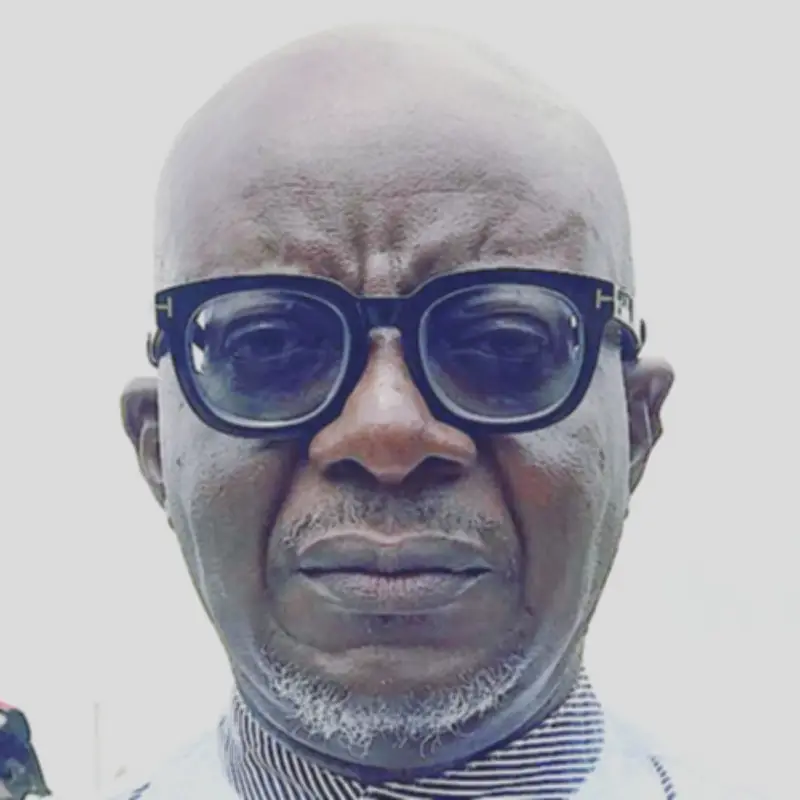
Nigerian journalism is at a crossroads, with the proliferation of poorly edited online publications threatening the profession's credibility and depth, according to media scholar Olayinka Oyegbile. In a scathing critique, Oyegbile argues that many self-styled 'online publishers' lack the training and resources to produce original, investigative reporting, resulting in a homogenized media landscape where 'read one and you've read all.'
The Rise of Amateur Publishers
Oyegbile observes that today, every unemployed or unemployable journalist wants to carry the 'dignified' title of publisher, leading to a rash of substandard online publications. These outlets often copy content from legacy media, offering little variety, nuance, or depth. He laments that news stories read the same and flat, features have become tasteless, and investigations are poor, if they exist at all.
The trend marks a departure from the collaborative spirit that birthed Nigeria's iconic news magazines. In the 1980s, Ray Ekpu, Dele Giwa, and Yakubu Mohammed, after leaving the Concord Group, teamed up with Dan Agbese to found Newswatch, which revolutionized magazine journalism. Similarly, Nosa Igiebor and others later joined forces to establish TELL magazine. Oyegbile emphasizes that good journalism is like playing in an orchestra—all hands must work together to produce good music, but working in silos now prevails.
Legacy Media Also Faltering
The legacy media are not faring any better, Oyegbile notes. Managers, seemingly afraid of experience, show old reliable hands the door and recruit greenhorns at lower salaries, promoting them to editorial seats without requisite experience. Merit is sacrificed at the altar of cutting corners, and column writing—once the forte of seasoned writers like Mohammed Haruna and Olatunji Dare—is now dominated by those who should still be learning the craft.
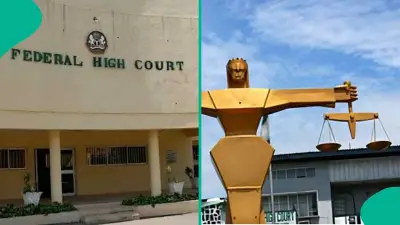
Court reporting has deteriorated due to the absence of experienced court reporters. Oyegbile recalls when The Guardian, Vanguard, and The PUNCH reported judgments robustly, stripping away legalese. Today, if 10 websites report a verdict, readers may get 10 different, often incorrect, interpretations. Investigative journalism is rare because media managers are unwilling to fund it, and journalists shy away from asking tough questions, allowing politicians to purchase airtime for ego-massaging interviews.
The Impact on Readership
Oyegbile dismisses the notion that the internet has killed newspaper readership, citing people worldwide who still buy physical papers despite free WiFi. The real issue, he argues, is that readers are not getting value for their money, fleeing from public relations couched as news. He calls for journalists with experience to pool resources and establish strong online media, akin to Premium Times, The Cable, and the International Centre for Investigative Reports (ICIR), rather than populating cyberspace with half-baked content.
He poses a challenge: why can't TV and radio producers, presenters, and others collaborate to found professionally produced YouTube or podcast channels, instead of every individual working in silos? He asks where are the journalists who will give the cyberspace the equivalent of Newswatch and TELL, and cites the hajj pilgrim arrests and the Presidential Foreign Intervention Promotion Council (PFIPC) scandal as stories that need independent investigation, not just official statements.