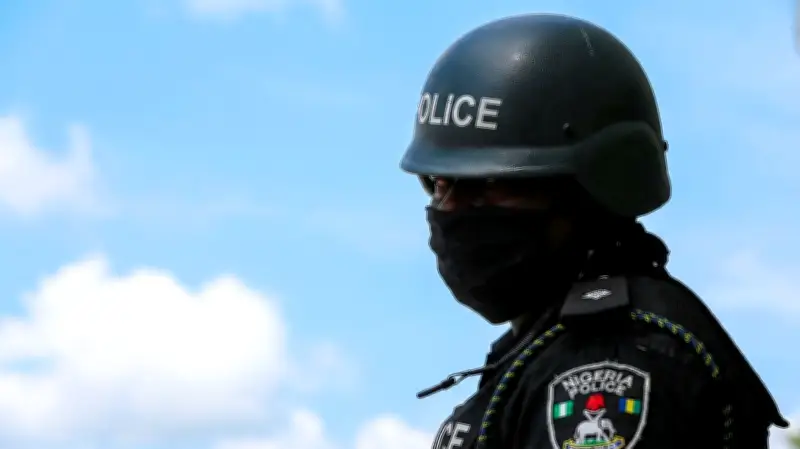
Nigeria must move beyond merely criticizing the police and address critical issues such as funding, welfare, and public support to build a professional and effective security institution, according to Lanre Olagunju, Editor of CheckClimate.Africa.
In an article titled The Police We Want and the Police We Have, Olagunju noted that Nigerians frequently focus on police misconduct, poor response times, weak investigations, and security failures. However, he argued that less attention is paid to the conditions necessary to create the kind of police force citizens expect.
Matching Expectations with Investment
Olagunju asserted that while citizens have legitimate demands for accountability and professionalism from the Nigeria Police Force, these expectations must be matched with investments in training, equipment, welfare, and institutional support. He highlighted the leadership approach of Inspector-General of Police Olatunji Disu, citing efforts toward intelligence-led policing, accountability, and improved operational effectiveness.
Specific measures mentioned include the establishment of specialized crime response structures, disciplinary actions against erring officers, and the promotion of over 17,000 junior officers. These steps, Olagunju said, aim to balance discipline with motivation by addressing misconduct while recognizing officers who demonstrate commitment to their duties.
Broader Challenges Beyond Leadership
However, Olagunju emphasized that the challenges facing the police extend beyond leadership and require broader national attention. He noted that the police are expected to secure a country of over 200 million people despite limited resources, inadequate equipment, aging infrastructure, and welfare concerns.
He argued that Nigeria's demand for a police force comparable to those in developed countries must be accompanied by a similar commitment to investment in policing. Olagunju questioned whether members of Nigeria's political and economic elite would encourage their children, including those educated at world-leading institutions, to pursue careers in the police force. This question, he said, reflects a wider societal issue about how policing is viewed as a profession.
Accountability Must Not Be Abandoned
The writer stressed that support for the police should not replace accountability. Officers who abuse their powers must face sanctions, and corruption and human rights violations must continue to be addressed. Effective policing, he argued, depends on a combination of accountability, resources, public cooperation, and sustained reforms.
Olagunju concluded that Nigeria cannot afford to abandon the institution responsible for maintaining internal security. Tackling challenges such as kidnapping, insurgency, organized crime, and communal violence requires a functional police service supported by both government and citizens. He emphasized that the police force Nigerians want cannot emerge without collective responsibility from the government, communities, and the public.