Nigeria has produced many remarkable individuals whose courage, leadership, and sacrifices have shaped the nation's history and inspired generations. The top heroes and heroines in Nigeria range from freedom fighters and political leaders to educators, activists, and military heroes. Some are officially recognized by the government, while others are celebrated through public admiration. Women have played a crucial role in advancing social justice, education, and equal rights. Several heroes appear on currency notes, monuments, and public institutions. Their influence extends internationally in diplomacy, literature, sports, and humanitarian work.
1. Dr. Nnamdi Azikiwe – Champion of African Nationalism
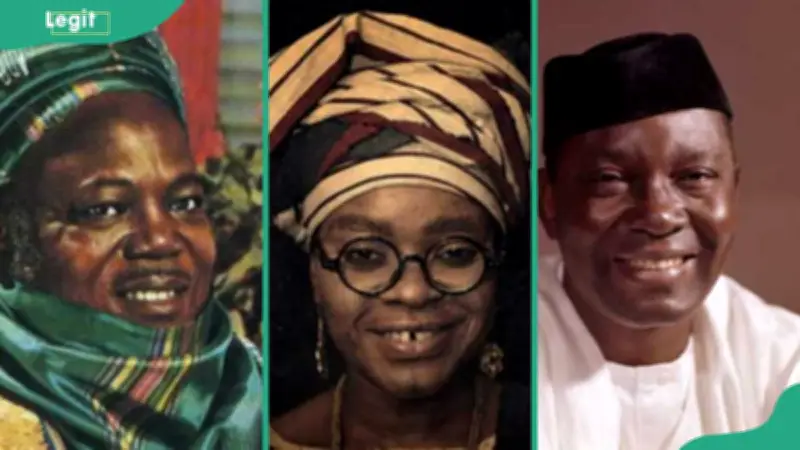
Dr. Benjamin Nnamdi Azikiwe was Nigeria's first president after independence from Great Britain. As editor of the West African Pilot, he promoted nationalism. He became secretary-general of the National Council in 1946 and Nigeria's first president in 1963.
2. Funmilayo Ransome-Kuti – Mother of Africa
Funmilayo Ransome-Kuti was an educator and political activist who defended women's rights and condemned military rule. She was the first Nigerian woman to ride a motorcycle and drive a car. She co-founded the Nigeria Union of Teachers and the Nigerian Students Union.
3. Herbert Macaulay – Pioneer of Nationalism
Olayinka Herbert Macaulay founded the Lagos Daily News and the National Democratic Party in 1922. He united Nigerians across origins and served as first national president of the National Council of Nigeria and the Cameroons.
4. Ahmadu Bello – Champion of Independence
Sir Ahmadu Bello led Northern Nigeria to independence in 1960. He served as premier from 1954 until his assassination in 1966. Ahmadu Bello University and the 200 naira note honor his legacy.
5. Kudirat Abiola – Democracy Martyr
Alhaja Kudirat Abiola campaigned for democracy after the annulment of the June 12, 1993 election. She supported the oil workers' strike and led pro-democracy processions. She was assassinated in 1996.
6. Obafemi Awolowo – Architect of Free Education
Chief Obafemi Awolowo organized the Action Group in 1950. As premier of the Western Region, he introduced free primary education and built infrastructure. He opposed military rule.
7. Margaret Ekpo – Women's Rights Pioneer
Margaret Ekpo was among the first female political figures in Nigeria's First Republic. She organized the Aba Township Women's Association and won a seat in the Eastern Regional House of Assembly in 1961.
8. Anthony Enahoro – Father of Independence Motion
Chief Anthony Enahoro moved the motion for Nigeria's independence in 1953. He was the youngest editor of the Southern Nigerian Defender at 21 and fought against colonialism and military rule.
9. Olusegun Obasanjo – Pan-African Unifier
General Olusegun Obasanjo led Nigeria's transition to democracy in the 1970s and served as president from 1999 to 2007. He implemented NEEDS, secured debt cancellation, and fought corruption.
10. Dora Akunyili – Crusader Against Fake Drugs
As NAFDAC's director-general from 2001 to 2008, Dora Akunyili bravely fought counterfeit medications despite threats. She died of cancer in 2014.
11. Ngozi Okonjo-Iweala – WTO Trailblazer
Ngozi Okonjo-Iweala served as Nigeria's finance minister twice and became the first African woman to lead the World Trade Organization in 2021. She negotiated debt relief for Nigeria.
12. Chioma Ajunwa – Olympic Gold Medalist
Chioma Ajunwa won Nigeria's first Olympic gold medal in the long jump at the 1996 Atlanta Games. She is also a former footballer and police officer.
13. Agbani Darego – Miss World 2001
Agbani Darego became the first black African to win Miss World. She later launched a fashion reality show and judged pageants.
14. Gani Fawehinmi – Human Rights Lawyer
Chief Gani Fawehinmi used the law to challenge military regimes. He fought for democracy, freed political prisoners, and criticized corruption.
15. General Yakubu Gowon – National Unity Leader
Yakubu Gowon headed Nigeria during the civil war and postwar reconstruction. He initiated the National Accelerated Food Production Programme and the Nigerian Agricultural and Cooperative Bank.
According to Dr. Olasupo Thompson, a historian at FUNAAB, “Obasanjo’s NEEDS and debt cancellation were among the best economic policies of the last 60 years. Yar’adua’s amnesty program stabilized the Niger Delta.” These leaders exemplify the courage and vision that continue to inspire Nigeria.