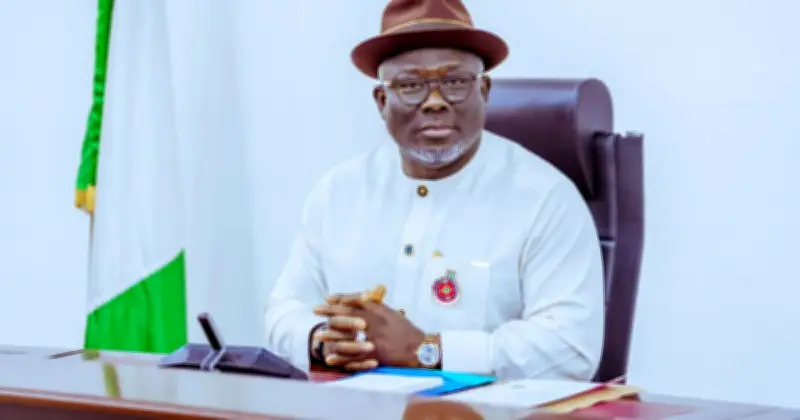
Delta State Governor Sheriff Oborevwori has disclosed that his monthly salary is ₦503,000, while Permanent Secretaries in the state civil service earn about ₦900,000 monthly. The governor made the remarks while speaking about workers' welfare and the structure of remuneration in the state's public service, highlighting the difference between the basic salaries of elected political office holders and senior career civil servants.
Governor's Salary vs Permanent Secretaries' Pay
Oborevwori revealed the figures during a discussion on public service compensation. He stated, "My salary is ₦503,000 today in Delta State. Permanent Secretaries earn more than the governor; their salary is ₦900,000, while mine is ₦503,000." The governor's comment underscores the disparity between the earnings of political appointees and top administrative officers.
Permanent Secretaries are the highest-ranking administrative officers in state ministries and serve as the link between political appointees and the career civil service. The governor's comparison highlights the structural differences in pay scales within the state government.
Workers' Welfare and Additional Entitlements
Oborevwori's administration has repeatedly highlighted efforts to improve workers' welfare in Delta State. The governor has introduced measures aimed at supporting civil servants, including approving a 13th-month salary for state workers. These initiatives are part of broader efforts to address the needs of public employees.
However, the figures quoted by the governor refer specifically to salary. The total remuneration of political office holders may also include approved allowances and other benefits attached to their positions. In Nigeria, salaries and allowances for political office holders are determined under guidelines set by the Revenue Mobilisation Allocation and Fiscal Commission (RMAFC), while civil servants' earnings follow the structure of the public service.
Context and Ongoing Discussions
Oborevwori's remarks come amid ongoing public discussions around government spending, workers' pay, and the need to improve the welfare of civil servants across the country. The disclosure has sparked conversations about the relative compensation of elected officials and career bureaucrats in state governance.
The governor's statement provides a rare glimpse into the salary structure of top state officials, offering a concrete comparison that may inform future debates on public sector remuneration and fiscal responsibility in Nigeria.