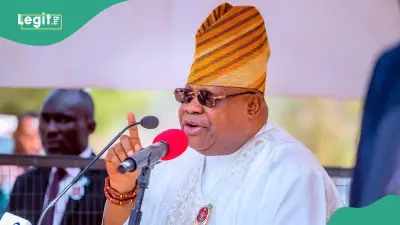
Residents of Delta State have expressed strong disapproval following Governor Sheriff Oborevwori's presentation of 65 brand new Sports Utility Vehicles to traditional rulers across the state. The event, which took place on Wednesday, January 14, 2026, at the Government House in Asaba, has ignited a debate on government spending priorities during a period of widespread economic difficulty.
A Strategic Gesture or Misplaced Priority?
Governor Oborevwori handed over 60 Toyota Prado SUVs and five Toyota Land Cruiser vehicles to selected royal fathers from various communities. He described the presentation as a "strategic investment in grassroots governance" and a very symbolic act for his administration.
The governor emphasized the critical role traditional rulers play as custodians of peace and intermediaries between the government and the people. He noted that many operate in difficult terrains and are frequently on the road for conflict resolution and community mobilization, often without compensation.
"They are vital intermediaries between government and the people at the grassroots," Oborevwori stated. He explained that the choice of rugged SUVs was deliberate to suit the rural environments where many of the monarchs serve.
Public Backlash Amid Economic Strain
Despite the government's framing of the gesture as a commitment to inclusive governance, the move was met with swift criticism from a cross-section of Deltans. Citizens questioned the timing and scale of the intervention, arguing that it reflects a disconnect from the pressing realities faced by the populace.
The primary concerns raised include:
- The high cost of the vehicles amid rising living costs and infrastructure deficits.
- Perceptions of elite privilege, as the beneficiaries are unelected officials.
- The urgent need for the funds in other critical sectors, particularly state security and public welfare projects.
Many residents argued that the substantial financial resources allocated for the SUVs could have been better deployed to address pressing issues like insecurity, poor road networks, and underfunded public services.
Balancing Tradition and Public Expectation
This event highlights the ongoing tension between recognizing traditional institutions and meeting the fundamental expectations of the electorate. While the governor credited the monarchs with easing governance through dispute resolution and collaboration with security agencies, the public reaction suggests a demand for more tangible investments in direct social services.
The controversy underscores a broader conversation about fiscal responsibility and perceptible governance in Nigeria's current economic climate. It remains to be seen how the Delta State government will address the public's concerns while maintaining its relationship with the traditional leadership structure.