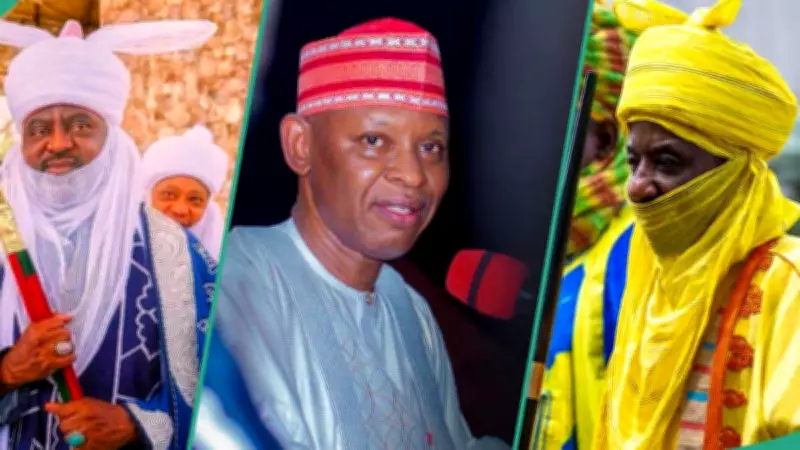
Kano Emirate Stability: Governor Yusuf Confirms Sanusi's Position Amid Political Shift
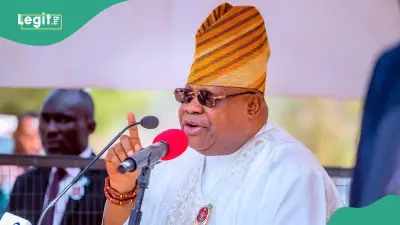
In a significant development that has captured national attention, Governor Abba Kabir Yusuf of Kano State has made a definitive statement regarding the future of the Kano Emirate. The governor has declared that Muhammadu Sanusi II will continue to serve as the Emir of Kano, putting to rest widespread speculation and controversies that arose following his recent political defection.
Political Realignment and Its Implications
The governor's announcement comes in the wake of his move from the New Nigeria Peoples Party (NNPP) to the ruling All Progressives Congress (APC). This political shift had sparked intense debates and concerns about potential repercussions for the traditional institution in Kano. Many observers had questioned whether the change in political allegiance might lead to a restructuring of the emirate's leadership, given the historical tensions and alignments between political parties and traditional rulers in Nigeria.
Governor Yusuf's clarification aims to stabilize the situation and reassure the people of Kano. By affirming Sanusi's position, he seeks to demonstrate that his political decisions are separate from matters of traditional governance. This move is seen as an effort to maintain continuity and respect for the cultural heritage of the state, which is deeply intertwined with its emirate system.
Background of the Kano Emirate Controversy
The Kano Emirate has long been a focal point of political and traditional power dynamics in Northern Nigeria. Muhammadu Sanusi II, a former Central Bank Governor, was reinstated as Emir in 2023 after a period of deposition, a decision that was met with both support and opposition. His tenure has been marked by efforts to modernize and reform the emirate, alongside navigating complex political landscapes.
Governor Yusuf's defection to the APC adds another layer to this intricate scenario. The APC, as the ruling party at the federal level, holds significant influence, and the governor's alignment with it could reshape local politics. However, his assurance regarding Sanusi suggests a strategic approach to balance political ambitions with traditional stability.
Reactions and Future Outlook
This development is likely to elicit varied responses from different quarters. Supporters of Emir Sanusi may view it as a victory for traditional institutions, while political analysts might interpret it as a savvy move by Governor Yusuf to consolidate his base and avoid alienating key stakeholders. The affirmation could also impact the broader political climate in Kano State, potentially influencing upcoming elections and governance strategies.
As the situation unfolds, it will be crucial to monitor how this declaration affects the relationship between the state government and the emirate. The stability of Kano's traditional leadership is vital for social cohesion and development in the region. Governor Yusuf's stance sets a precedent for handling political transitions without disrupting cultural frameworks, a model that other states might observe closely.
In summary, Governor Abba Kabir Yusuf's confirmation that Muhammadu Sanusi II remains the Emir of Kano serves as a pivotal moment in Nigerian politics. It underscores the delicate interplay between modern governance and traditional authority, highlighting the need for careful navigation in a diverse and dynamic society.