Governor Oborevwori Calls for Public Support in Security Fight as Irabor Cites Structural Divisions
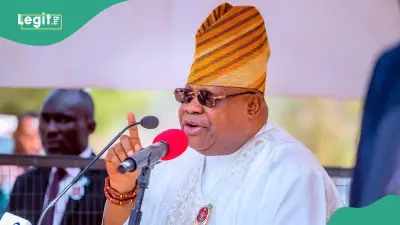
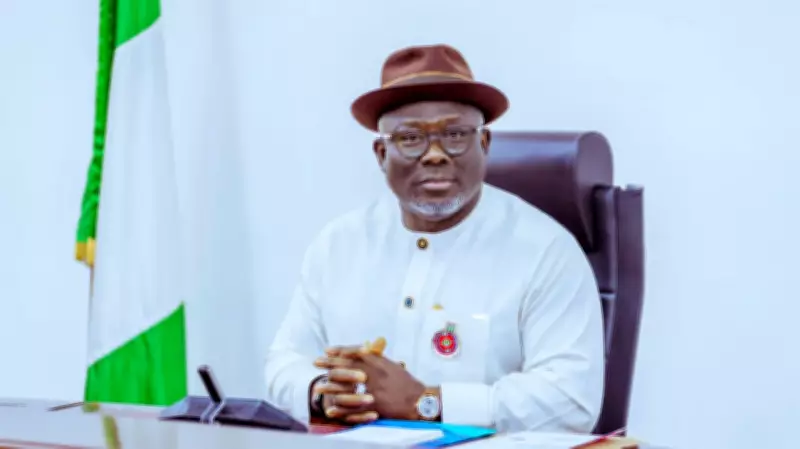
In a stark address highlighting Nigeria's deepening security crisis, Delta State Governor Sheriff Oborevwori has declared that government alone can no longer bear the burden of protecting lives and property. He has issued a powerful call for citizens to take a more active and engaged role in confronting the country's unending wave of violence and instability.
Collective Vigilance is Now Indispensable
Speaking at the 2026 Maris Annual Public Service Lecture held in Asaba, Governor Oborevwori described the pervasive insecurity as an existential threat to national unity and progress. He insisted that collective vigilance and robust cooperation between ordinary citizens and official security agencies have become absolutely indispensable for any meaningful progress.
"Security is no longer the exclusive preserve of government," the governor stressed, emphasizing the urgent need for community-based policing initiatives and enhanced citizen intelligence gathering. He argued these elements must form a critical part of a broader, more resilient national security architecture.
Represented at the event by Delta State Commissioner for Basic and Secondary Education, Dr. Kingsley Ashibuogwu, Governor Oborevwori painted a grim picture of the persistent insurgency and criminal activities plaguing the nation. He also highlighted his administration's ongoing investments in providing operational support and resources to security agencies operating within Delta State.
Irabor Points to Deeper Political Fault Lines
The lecture, themed "Insecurity: The Bane of Nigeria’s Unity and Progress," brought together a diverse group of policymakers, academic scholars, and security experts. Many participants echoed grave concerns that Nigeria's multifaceted crisis has now outgrown conventional, military-focused responses.
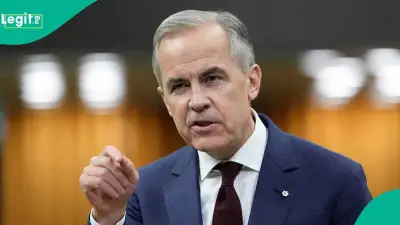
In a compelling keynote address, former Chief of Defence Staff, General Lucky Onyenuchea Irabor, delivered a more structural and profound critique. He described the current insecurity as the single greatest threat to Nigeria's very survival as a nation.
General Irabor argued that the roots of the crisis extend far deeper than mere criminality or banditry. Instead, he pointed to unresolved political grievances, historical divisions, and deep-seated animosities that have festered unchecked over many decades.
"The acrimonies and deep-seated animosities that have attended Nigeria’s political journey remain unresolved," Irabor stated, warning that these enduring societal and political fault lines continue to actively fuel violence, distrust, and fragmentation across the country's diverse regions.
A Call for National Healing and Political Will
The former defence chief called for the urgent institutionalization of a formal national reconciliation policy. He stressed that without deliberate, sustained, and sincere efforts to heal these longstanding national wounds, all security interventions would remain superficial and ultimately unsustainable.
"There is a need for healing of wounds and closure of political invectives. This requirement is urgent," Irabor added, underscoring the immediacy of the situation.
Furthermore, General Irabor took direct aim at what he described as Nigeria's chronic governance failures. He contended that the core problem is not a lack of ideas, plans, or security strategies, but rather the profound absence of genuine political will to implement and consistently sustain meaningful, transformative reforms.
The event underscored a growing consensus that tackling Nigeria's security challenges requires a dual approach: immediate, community-involved tactical efforts as advocated by Governor Oborevwori, coupled with long-term, structural political and social healing as emphasized by General Irabor.