Omobude Advocates for Security Investment and Community Intelligence to Combat Insecurity
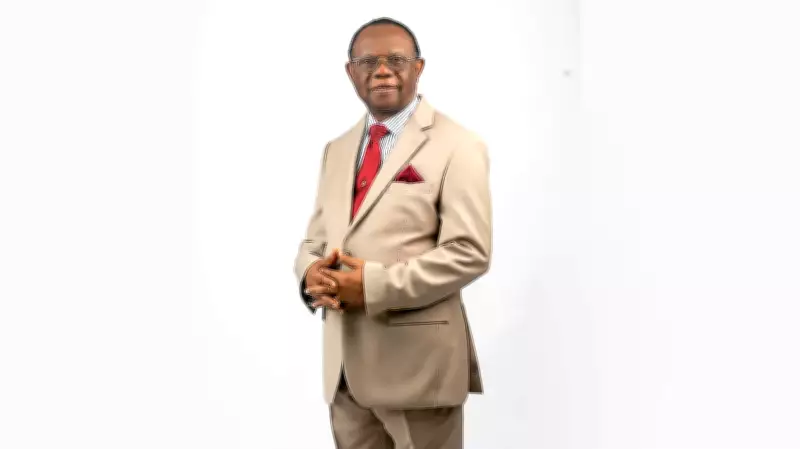
In a comprehensive interview, former President of the Pentecostal Fellowship of Nigeria (PFN), Rev. Dr. Felix Omobude, has emphasized the urgent need for Nigeria to invest in its security forces and foster community-driven intelligence to defeat the rampant insecurity plaguing the nation. Speaking on the recent killings in Jos and other regions, Omobude described the situation as deeply worrisome and systemic, predating the current administration.
Decentralised Policing and Local Empowerment
Omobude, who is also the General Superintendent of Gospel Light International Ministries, argued that policing should be decentralised to enhance effectiveness. He highlighted that local knowledge of terrain and culture is crucial for identifying threats, such as foreign fighters and strangers in communities. "You can't bring a man from Kano to oversee policing in Edo. He doesn't know the culture; he doesn't know the terrain," he stated, advocating for state police forces that are loyal to local governments rather than Abuja.
He recalled that in his youth, local government police existed without clashing with federal authorities, similar to systems in other nations with city or county police. This, he believes, would make policing more relevant and responsive to local needs, thereby reducing insecurity significantly.
Government Accountability and 2027 Elections
Addressing the upcoming 2027 general elections, Omobude warned that political leaders must prioritize serving the people over campaign preparations. "If they kill all of us, kill all Nigerians waiting for 2027, they will have nobody to rule in 2027," he cautioned, urging elected officials to focus on their current terms and deliver on promises like electricity and water supply.
He called for selfless leaders who formulate policies benefiting both rich and poor, and emphasized the importance of checking antecedents to avoid electing individuals with corrupt histories. Omobude also appealed to journalists to hold leaders accountable by reminding them of their campaign pledges and analyzing their performance critically.
Economic Hardship and Social Issues
Omobude expressed concern over the high levels of hunger, poverty, and unemployment, attributing part of the problem to the removal of fuel subsidies and lack of basic amenities. He noted that idle youth are vulnerable to criminal recruitment, and urged the government to implement policies that touch the lives of common people, such as free and compulsory education at primary and junior secondary levels.
He stressed that out-of-school children pose a future danger, serving as a breeding ground for criminals, and called for government action to ensure every child has access to education and survival skills.
Role of the Church and National Unity
Defending the church's role, Omobude highlighted its contributions through prayer, support for the vulnerable, and partnerships in education and healthcare. He dismissed criticisms of flamboyant lifestyles among some church leaders, noting that many pastors labor passionately to help humanity without seeking personal gain.
On national unity, Omobude advocated for One Nigeria based on true federalism, rule of law, and equity. He lamented the politicization of religion, which has polarized the country, and called for a return to core values like dignity of human life, mutual respect, and honesty. "Religion must not be by force," he emphasized, sharing personal experiences of harmonious coexistence with Muslims.
Advice for Leaders and Followers
Omobude urged Nigerian leaders to apply the teachings of their faiths, demonstrating love, empathy, and selflessness in governance. He called on citizens to have hope, support security forces with credible information, and hold the government accountable. "No matter how bad things are in Nigeria, there is hope," he concluded, advocating for peace, generosity, and forgiveness to overcome current challenges.