
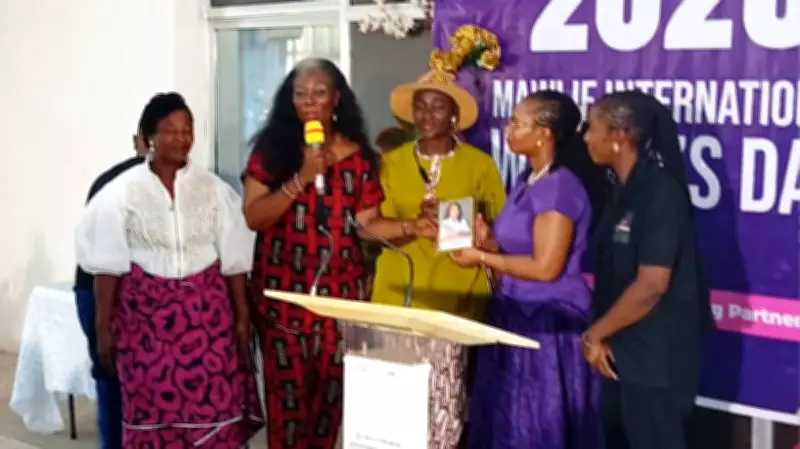
Stakeholders Amplify Demands for Women's Political Inclusion Ahead of 2027 Elections
As Nigeria progresses toward the 2027 general elections, a growing chorus of voices is advocating for enhanced women's participation in political leadership and governance. This renewed push comes amidst persistent underrepresentation, with women holding only a fraction of elected positions despite constituting nearly half of the country's population.
Historical Context and Unmet Targets
The call for gender parity in politics is not new. It traces back to the 1995 Beijing Declaration and Platform for Action, which established a global benchmark for advancing women's rights, including their inclusion in decision-making roles. In Nigeria, this evolved into a 2004 affirmative action push, culminating in the 2006 National Gender Policy that set a target of 35% women in elective and appointive positions.
However, more than two decades later, this goal remains largely unfulfilled. Data from the 2023 general elections reveal stark disparities: women secured just 17 out of 469 seats in the National Assembly, representing approximately 4.2%. At the state level, only 54 women occupy seats across 990 positions in State Houses of Assembly, with at least 15 states having no female legislators at all.
Current Political Landscape and Challenges
The recent 2026 International Women's Day (IWD) celebrations served as a platform for stakeholders to highlight these gaps and demand urgent reforms. Key issues identified include:
- High Cost of Political Participation: Campaign financing, often running into hundreds of millions of naira, poses a significant barrier for many female aspirants.
- Cultural and Structural Barriers: Entrenched patriarchal norms, gender-based stereotypes, and political violence disproportionately affect women.
- Internal Party Dynamics: Women are frequently sidelined during candidate selection processes, with political parties accused of paying lip service to gender inclusion.
Notably, no woman currently serves as an elected governor in any of Nigeria's 36 states, though seven women hold deputy governor positions, representing 19.44%—still below the 35% target.
Voices from the Forefront
Prominent figures have weighed in on the issue. National Chairperson of the Labour Party, Nenadi Usman, emphasized the need to dismantle systemic barriers, particularly money politics. "I don't see the reason why you must spend so much to seek an elective position. It is not right... You cannot be talking from outside; you must talk from inside," she stated.
Former Country Director of ActionAid Nigeria, Ene Obi, highlighted the broader implications, noting that excluding women undermines democratic development. "In Nigeria, where challenges like insecurity, poverty, and inequality hit women hardest, excluding half the population from power is like running a race with one leg tied," she explained.
Other advocates, including Abike Dabiri-Erewa of the Nigerians in Diaspora Commission and Ambassador Zainab Mohammed, called for stronger collaboration among women and more deliberate efforts to close gender gaps.
Pathways Forward
To address these challenges, stakeholders propose several measures:
- Implementation of Affirmative Action: Full adherence to the 35% target for women in elective and appointive positions.
- Party-Level Reforms: Reducing nomination fees for female aspirants, creating mentorship pipelines, and fostering safer political environments.
- Cultural Reorientation: Challenging stereotypes and promoting women's leadership through education and advocacy.
Observers note that achieving gender parity will require sustained, coordinated efforts across policy, party structures, and societal attitudes. Without such action, Nigeria risks deepening a cycle of exclusion that could undermine democratic legitimacy and national development.
Ultimately, as the 2027 elections approach, the message is clear: true democracy can only be strengthened when it is genuinely representative, with women afforded equal opportunities to shape the country's political future.




