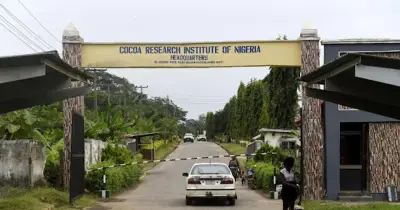
Canada's Immigration, Refugees and Citizenship Canada (IRCC) has disclosed that 175 visitors who attended the 2026 FIFA World Cup filed asylum claims, with 10 of those applications originating from Nigerian citizens. The data, published by IRCC and first reported by The Globe and Mail, highlights the immigration outcomes tied to the world's largest sporting event.
World Cup Visas and Asylum Claims
Canada co-hosted the 2026 FIFA World Cup alongside the United States and Mexico, staging 13 matches in Toronto and Vancouver. To facilitate the influx of soccer fans, Canadian authorities issued more than 26,000 visas to individuals explicitly connected to the tournament. However, a small fraction of those visitors later sought refugee protection after entering the country.
According to IRCC figures, the total number of asylum claims from World Cup visitors stood at 175 as of July 20, 2026. This represents approximately 0.67% of the 26,111 temporary residence applications approved under the FIFA-related category. The department clarified that the count includes only those applicants who specifically flagged 'FIFA World Cup 26' in their applications.
Countries with the Highest Asylum Figures
Among participating nations, Ghana recorded the most asylum claims from World Cup visitors, tallying 25 applications. Egypt and Colombia each accounted for 15 claims, while Senegal had 10 and Ecuador filed 5. All these countries had national teams that competed in matches hosted by Canada.
For non-participating countries, Kenya led with 15 asylum claims. China, Bangladesh, and Nigeria each reported 10 claims, while Burundi, Nepal, and Pakistan registered 5 apiece. The data underscores that asylum seekers came from both football-playing and non-football-playing nations.
IRCC Statement and Screening Effectiveness
Responding to inquiries, an IRCC spokesperson stated: 'As of July 20, 2026, of the 26,111 individuals with prior FIFA-related approved temporary residence applications, 175 people later submitted asylum claims. It is important to note that this data only includes applicants who flagged 'FIFA World Cup 26' in their temporary residence applications.' The department added that the number could rise if additional visitors overstayed their visas and subsequently filed claims.
Toronto-based immigration lawyer Stephen Green commented on the figures, describing the asylum claim rate as 'relatively low' given the scale of visa issuance. He told The Globe and Mail that the data suggest Canadian immigration screening measures were effective in deterring abuse of the visitor system.
Pre-Tournament Warnings and Past Precedents
Prior to the World Cup, Canadian authorities repeatedly cautioned that possessing a match ticket did not guarantee entry. All visa applicants underwent rigorous screening, and immigration officers retained the authority to deny visas or refuse admission if they suspected individuals might not leave at the end of their stay. Immigration consultant Andy Semotiuk revealed that several visa applicants from Ghana were turned away due to fears they would remain in Canada after the tournament.
Canada has experience with asylum claims tied to mega-events. Following the 2010 Vancouver Winter Olympics and the 2012 London Olympics (which Canada participated in but did not host), the country similarly recorded a small number of claims from visitors. However, the 2026 World Cup marks the first instance where Canada co-hosted the event, adding complexity to its immigration monitoring.
Broader Immigration Context
The asylum data emerges amid broader reforms to Canada's immigration and asylum framework. In March 2026, Bill C-12—titled the Strengthening Canada's Immigration System and Borders Act—received royal assent, introducing enhanced verification procedures and stricter penalties for non-compliance. These changes aim to balance humanitarian obligations with national security interests, particularly during large international gatherings.
While the 175 claims represent a minuscule fraction of total visa holders, the data provides valuable insight into migration patterns associated with global sporting events. IRCC continues to monitor the situation and may update figures as further claims are processed.