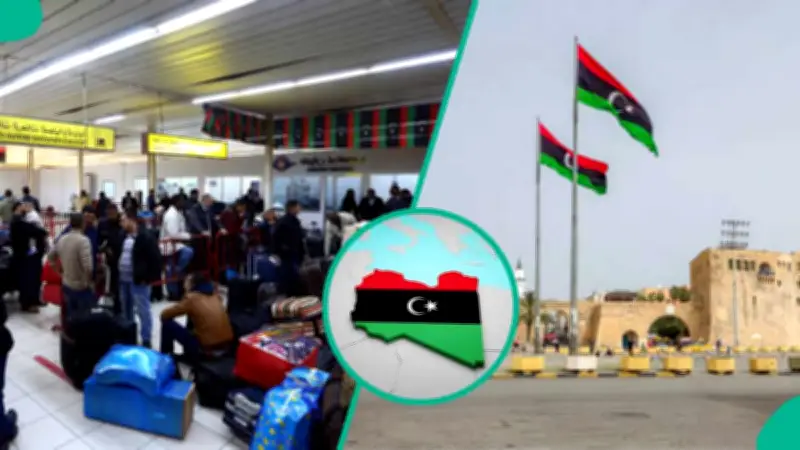
Libya's government has officially launched an online electronic visa portal, providing a centralized platform for foreigners to request permission to enter the country. The eVisa system covers both tourism and work purposes, marking a significant shift towards digitalizing the country's entry procedures.
The new portal serves as the government's dedicated channel for visa applications, designed to streamline the process and make it more straightforward for international visitors. Authorities have described the system as a commitment to simplifying and securing the visa application process, with a stated goal of making travel to Libya more accessible and convenient.
How the eVisa Application Works
To apply through the portal, prospective visitors are required to complete an official application form and follow the procedures set by the responsible authority. The form asks for personal information, including passport number, expiration date, purpose of visit, and contact details. Authorities have stressed the importance of accuracy when filling out the form, instructing applicants to follow all provided instructions carefully and ensure every piece of information submitted is correct.
The platform is intended to give foreign nationals a trustworthy and secure route to apply for a visa without unnecessary complications. By centralizing the application process, the government aims to reduce fraud and errors associated with paper-based systems.
Goals of the eVisa System
In describing the mission behind the platform, officials highlighted the role of international travel in enabling cultural exchange and exploration. The eVisa system positions Libya as a destination open to visitors from around the world, with the government framing the initiative as a step towards more transparent and user-friendly entry procedures.
According to the government, the eVisa portal is part of broader efforts to modernize Libya's immigration system and promote tourism and business travel. The system is expected to reduce processing times and eliminate the need for in-person visits to embassies or consulates for visa applications.
Deportation of 80 Nigerian Migrants
In a separate development, Libyan authorities deported 80 Nigerian migrants this week in a coordinated repatriation exercise through Mitiga International Airport. The operation was carried out by the Department for Combating Illegal Migration with support from the Nigerian Consulate in Tripoli.
This deportation highlights ongoing challenges in Libya's migration management, even as the government seeks to streamline legal entry through the new eVisa system. The contrast between welcoming legal visitors and cracking down on irregular migration underscores the dual approach of Libyan authorities.
The eVisa portal is expected to be fully operational for all eligible nationalities, though specific country restrictions may apply. Applicants are advised to check the official website for detailed requirements and processing times.