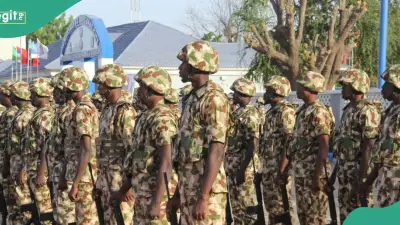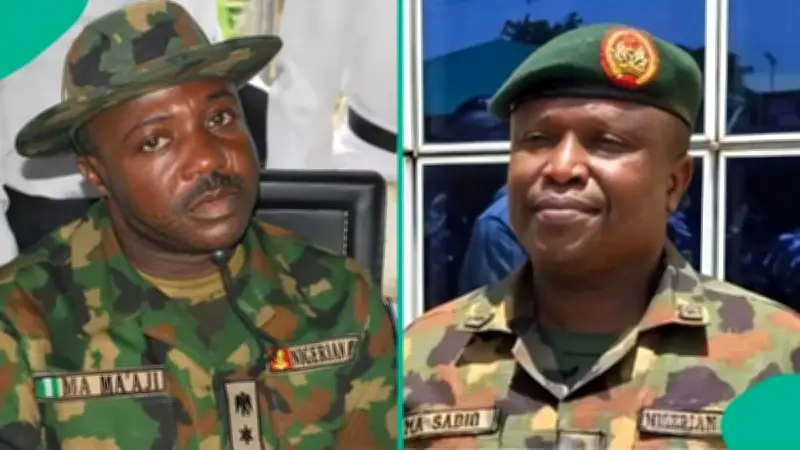
A serving Nigerian Army colonel has confessed to an alleged plot to overthrow President Bola Tinubu's government, according to a Premium Times report. Colonel Ma'aji, in a detailed statement, named fellow officers and civilians he said were part of the movement, describing it as driven by patriotism and frustration over Nigeria's economic decline, not personal ambition.
Confession Details
In his verbatim statement, Ma'aji said, "This has nothing to do with any ambition or personal goals. It is purely out of the desire for a prosperous country that works for everyone." He described a slow-moving recruitment effort targeting officers who shared his frustrations, noting the group was still in the mobilisation phase when uncovered, with no confirmed date for action.
"There was no D-Day. We were waiting for the availability of resources and more officers and soldiers," he said. He identified a civilian, Timiprey Silva, as contributing roughly 400 million naira to the movement, while earlier spending came from his own pocket. He added there were no foreign collaborators.
Operational Plans
Ma'aji said the intended target was Nigeria's service chiefs, who were to be placed under house arrest. "The essence of asking them to send pictures and the given task was to place the service chiefs under arrest in the house, and not to cause interference with the movement. The coup was supposed to be carried out at night," he explained. He also named Brigadier General Sadiq as a senior officer aware of the plan but who later withdrew over funding and seniority concerns. He was clear that General Jalo, General Danja, and retired Navy Captain Victor were never approached.
The use of Civilian Joint Task Force members was proposed by a Major Iliyasu, who claimed the fighters already had personal rifles and could be mobilised from the North East to Abuja, though logistics were never finalised.
Defence Headquarters Response
In its first official comment, the Defence Headquarters did not directly deny the coup plot. It described the "ongoing investigation involving" the officers as "a routine internal process aimed at ensuring discipline and professionalism is maintained within the ranks." Nigeria has not experienced a successful coup since 1993, and this alleged plot follows a pattern of foiled or crushed attempts.
Historical Context
Legit.ng earlier reported that Nigeria's military coups have shaped its political trajectory for decades. The recent 2025 coup rumours, though debunked, highlight the enduring relevance of this history, with post-independence coups profoundly influencing political, economic, and social development.