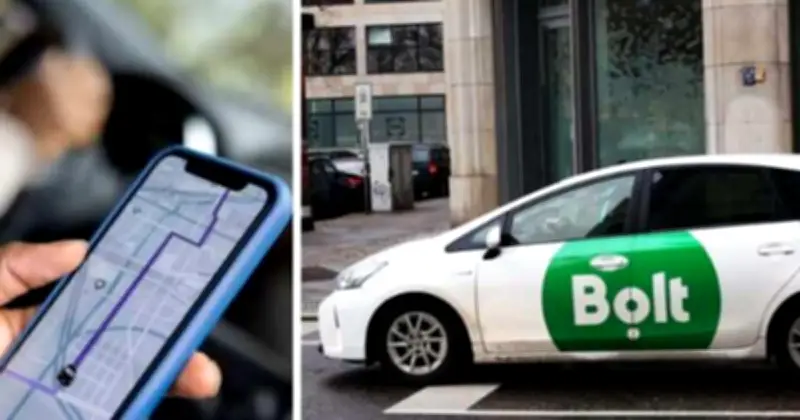
Drivers working with Bolt and inDrive in Lagos have commenced an indefinite strike over fare structures, platform commissions, and working conditions, about six weeks after Uber ceased operations in Nigeria. The action, announced by the Lagos State Council of the Amalgamated Union of App-Based Transporters of Nigeria (AUATON), began on Monday, 12 October, and will continue until further notice or until satisfactory progress is made on the union's grievances.
Union Cites Rising Costs and Platform Deductions
In a notice issued on Saturday, the union, an affiliate of the Nigeria Labour Congress, listed fare structures, commissions, deductions, and welfare as its main concerns, alongside drivers' safety, security, and the sustainability of their operations. The statement, signed by the union's public relations officer, Steven Iwindoye, highlighted that drivers face increasing expenses for petrol, repairs, tyres, insurance, internet data, and vehicle loans, which significantly reduce their take-home earnings.
The union also demanded greater transparency from the platforms and protection against arbitrary account deactivation. To mitigate the impact of the strike, AUATON requested fleet owners and managers to grant drivers temporary relief from daily remittance targets for the duration of the action.
Task Force to Monitor Compliance
The union said it would deploy a task force in every local government area in Lagos to monitor compliance with the strike. It warned that drivers who go against its directives could face sanctions under its internal rules. AUATON clarified that its aim is not to disrupt businesses unnecessarily but to push for better operating conditions for drivers.
Bolt Proposes Talks, inDrive Silent
Bolt has proposed talks with the union. Weyinmi Aghadiuno, Bolt's head of regulatory and policy for Africa, said the company takes the concerns seriously and recognises the economic pressures drivers face. The company proposed a roundtable with the union and driver representatives for early next week, stated it is reviewing ways to improve drivers' experience and support, and urged drivers to keep accepting trips while the meeting is arranged. The reports seen did not include a response from inDrive.
Uber stopped operating in Nigeria on 2 September after 12 years, leaving Bolt, inDrive, and smaller local operators as the main alternatives for riders. AUATON has also called on the Lagos State Government, federal authorities, and labour institutions to intervene, and said it is considering alternative arrangements that would give drivers more independence. It was not immediately clear how many drivers had stopped working or how far rides had been affected across Lagos.