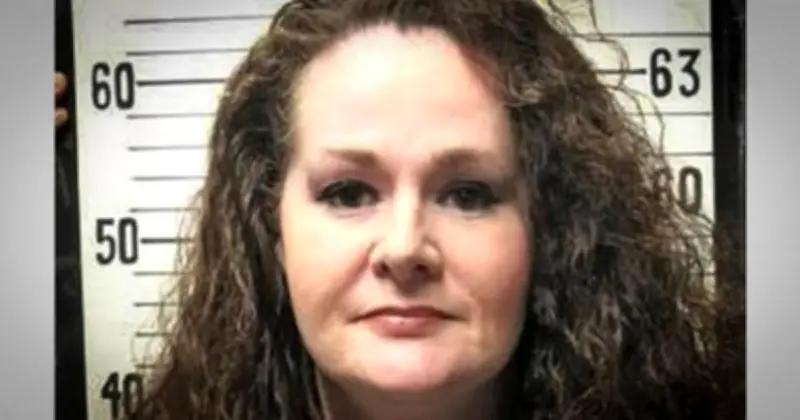
Christa Pike, the 50-year-old Tennessee death row inmate who survived two doses of pentobarbital during a failed execution on September 30, 2026, has regained consciousness and is now speaking while receiving hospital treatment. Her attorneys announced the development six days after the execution attempt, stating, “Against all odds, Christa Pike is conscious, speaking, and continues to receive critical medical care.”
Background of the 1995 Murder
Pike was sentenced to death for the 1995 torture and killing of her 19-year-old classmate, Colleen Slemmer. According to Reuters, Pike was 18 at the time of the crime, while Slemmer was a fellow student at a Knoxville Job Corps vocational centre. Trial testimony indicated that Pike viewed Slemmer as a rival for her boyfriend’s affections.
Pike and her then-boyfriend, Tadaryl Shipp, lured Slemmer into a wooded area and killed her. Both later confessed and were convicted of first-degree murder. Shipp received a life sentence with the possibility of parole, while a third person who acted as a lookout testified for prosecutors and received probation.
Failed Execution and Immediate Aftermath
Pike was scheduled to become the first woman executed by Tennessee in more than 200 years. On the night of September 30, she was strapped to a gurney at Riverbend Maximum Security Institution in Nashville and given a final opportunity to speak. According to an Associated Press account, Pike said, “I’m ready to be free.”
However, instead of losing consciousness as expected, Pike remained alive after receiving two doses of pentobarbital. Witnesses reported hearing her breathing and making snoring sounds. She also complained of arm pain, saying at one point it felt as though her arm was “about to burst open.” The execution was halted, and an ambulance transported her to a hospital.
Medical Complications and Legal Allegations
Pike’s lawyers later reported that both of her arms had become swollen, burned, and blistered during the attempted execution. They alleged that problems with the intravenous lines caused the drug to seep into tissue rather than being delivered into her bloodstream. This remains an allegation by her legal team, while Tennessee officials have said the state followed its established execution protocol.
Initially unconscious and placed on a ventilator, Pike was treated by doctors who worked to clear the pentobarbital from her system. Her attorneys said her prognosis remained unclear and that she faced a long recovery. “Her recovery is medically unprecedented,” the lawyers said, adding that she remained handcuffed and shackled to her hospital bed despite the injuries to her arms.
A medical expert advising Pike’s legal team said her ability to breathe without a ventilator and speak was encouraging, but warned that serious medical risks remained. It could take weeks or months to determine the full extent of her recovery.
State Response and Unprecedented Legal Situation
Pike’s survival has created an unusual legal situation. Reuters reported that she is the first known person in the United States to survive after execution drugs were actually administered.
Her lawyers are seeking a court order requiring Tennessee authorities to preserve evidence from the failed execution, including records and drug lot numbers. A court hearing has been scheduled in connection with their request.
Tennessee Governor Bill Lee has ordered an independent, third-party review of the incident and suspended scheduled executions in the state for the rest of 2026. “This is a tragedy, and it’s deeply disturbing to me that that has happened in this state,” Lee said after the failed execution. The state’s Department of Correction commissioner, Frank Strada, has also announced his resignation following the incident.
The case has raised questions about Tennessee’s lethal-injection procedures and what can legally happen to a prisoner who survives an execution attempt. Pike remains under hospital care, and her legal team continues to press for evidence preservation as the state reviews its execution protocols.