Ex-Presidential Candidate Sonaiya Raises Alarm Over Homeless Sleeping on Active Railway Tracks in Lagos
Remi Sonaiya, the former presidential candidate of the Kowa Party in Nigeria's 2015 elections, has expressed profound concern after witnessing a disturbing scene at the Agege railway station in Lagos State. On Friday, February 20, 2026, while boarding a train to Ibadan, Oyo State, Sonaiya encountered individuals sleeping directly on the railway tracks, posing significant safety risks.
Disturbing Discovery During Journey
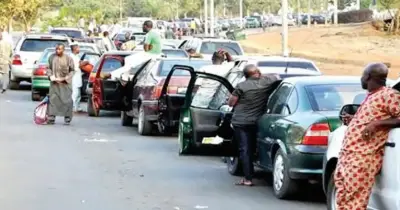
Sonaiya, who was traveling to Ibadan for the first time by train, described how her initial excitement was severely dampened by the alarming sight. She posted on her X (formerly Twitter) account along with a photograph, stating: "I'm taking the train to Ibadan for the first time, boarding at Agege. My excitement was greatly dampened by the sight that greeted passengers as we approached the train - people sleeping on some of the tracks! The NRC officials say they can't get them to leave #Lawlessness."
According to Sonaiya, officials from the Nigerian Railway Corporation (NRC) informed her that they were unable to remove these vulnerable individuals from the tracks. This revelation highlights a critical gap in safety enforcement and social welfare measures along Nigeria's railway infrastructure.
Public Reaction and Safety Concerns
The 70-year-old former presidential candidate's post quickly garnered reactions from Nigerians on social media, with many expressing shock and calling for immediate action. One user, @KingRagnar46, commented: "This is very bad and it's just disaster waiting to happen." Another, @SerapaSaGodimo, questioned the lack of dedicated police patrols for railway safety, attributing it to systemic failures in Nigeria.
Further responses emphasized the broader implications of the situation. @callmembj11 noted: "People literally using active rail tracks as a bedroom isn't just lawlessness. It's a glaring symptom of deep poverty, zero social safety nets, and repeated enforcement failures." This sentiment underscores the intersection of public safety issues with underlying socioeconomic challenges.
Root Causes and Calls for Collaborative Solutions
Analysts and commentators have pointed out that this incident is not isolated, with previous taskforce raids in Agege failing to provide long-term solutions. The problem persists due to a lack of follow-up measures such as shelters, rehabilitation programs, or employment opportunities. This cyclical issue raises urgent questions about the effectiveness of current approaches to homelessness and poverty in Lagos and beyond.
Calls have emerged for increased collaboration between the Lagos State Government, the Nigerian Railway Corporation, and federal authorities to develop compassionate and sustainable solutions. Recommendations include:
- Clearing the tracks safely to prevent accidents
- Providing immediate temporary shelter for the homeless
- Addressing root causes like unemployment and the housing crisis
- Enhancing safety protocols and infrastructure integrity along railway lines
Sonaiya has warned that homelessness does not justify sleeping on rail tracks, citing serious safety risks to both individuals and the general public. Her experience has sparked a broader conversation about the need for systemic changes to protect vulnerable populations and ensure public safety.
Broader Context of Sonaiya's Advocacy
This incident aligns with Sonaiya's ongoing advocacy for governmental reform. Previously, she has called for radical changes in Nigeria's government systems to better allocate resources toward key economic sectors, such as agriculture. Expressing frustration with the country's situation, she has emphasized the need to support local farmers to boost production, especially given limited funds for food imports.
Her latest observations from the Agege railway station add a poignant dimension to her critiques, highlighting how infrastructural and social issues converge in everyday settings. As Nigeria continues to grapple with poverty and safety challenges, incidents like this serve as stark reminders of the urgent need for comprehensive policy interventions.