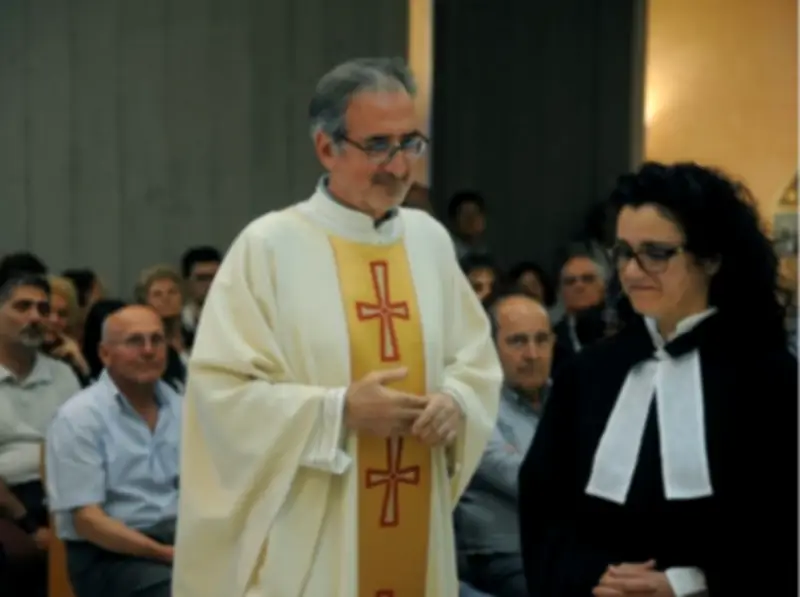
The body of 75-year-old Roman Catholic priest Lino Zatelli was discovered on August 12 in the Italian city of Trento, shortly after he learned he was to be transferred from the parish where he had served for nearly 25 years, according to Tribune Chrétienne.
On the morning of his death, Zatelli was scheduled to celebrate Mass at the Church of San Carlo Borromeo but failed to appear for the service. The sacristan then went to his home and found his body.
Transfer Decision and Parishioner Response
Shortly before the tragedy, Zatelli had been informed that, as part of a diocesan reorganization, he was required to leave the parish to which he had devoted nearly a quarter of a century. The priest was deeply distressed by the decision and openly told his parishioners: “I never asked to leave.”
In response, a campaign was organized to demand that he remain at San Carlo, with a petition gathering several hundred signatures. Despite this support, the transfer decision stood, and the priest's distress was evident to those around him.
Broader Concerns About Elderly Clergy
The tragedy has raised questions about the loneliness and suffering of elderly priests, not only in Italy but also in France. Catholic authors note that for a clergyman, leaving a parish after decades of service means not merely a change of ministry but a break from the community that had become his family and primary social circle.
The authors of the publication emphasize that it is impossible to definitively establish the transfer as the direct cause of the suicide. However, the incident has once again drawn attention to the issues of isolation, emotional exhaustion, and lack of support among Catholic clergy.
Impact and Ongoing Discussion
The death of Lino Zatelli has prompted renewed discussion within Catholic circles about the emotional and social challenges faced by priests, particularly those in their later years. The petition and parishioner campaign highlight the deep bond between the priest and his community, making the enforced separation all the more poignant.
While the precise motivations behind the suicide remain unclear, the case underscores the need for greater pastoral care and mental health support for clergy, especially as diocesan restructuring becomes more common. The tragedy serves as a stark reminder of the human cost that can accompany administrative decisions within religious institutions.