Katie Price Under Formal Investigation by UK Authorities Over CBD Product Claims
British media personality Katie Price is now the subject of an official investigation by UK Trading Standards following her repeated promotion of a CBD product with assertions that it could cure cancer. The 47-year-old former model sparked significant controversy in April of last year when she posted on social media platform X in support of former Olympic boxer Anthony Fowler.
Controversial Social Media Post and Backlash
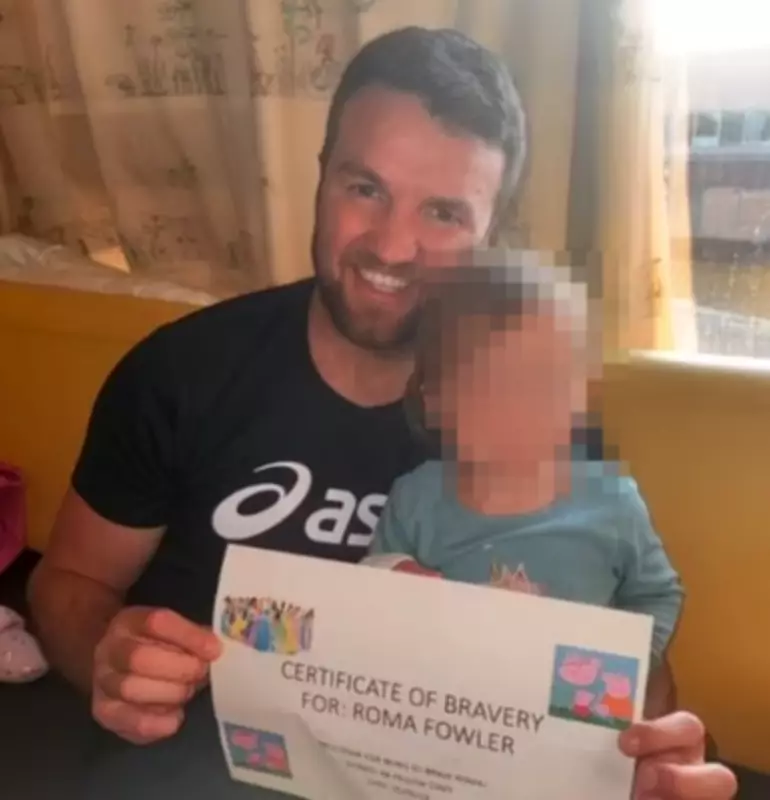
In her now-infamous post, Price endorsed Fowler's company, Supreme CBD, after he claimed the product had "healed" a tumor in his two-year-old daughter's leg, alleging the family refused conventional chemotherapy treatment. The post included additional promotional material on Instagram featuring both Price and Supreme CBD branding.
This content has now been formally referred to Liverpool Trading Standards by the Advertising Standards Authority (ASA), which initially fielded multiple complaints from concerned citizens. The matter has escalated beyond the ASA's typical regulatory scope because both Price and the brand have continued to publicly discuss the product, with Price serving as a paid ambassador for Supreme CBD.
Regulatory Response and Official Statements
An ASA spokesperson confirmed the development, stating: "We've received a small number of complaints about Supreme CBD and Katie Price's ads. I've spoken to our compliance team and they've confirmed that Supreme CBD has now been referred to Trading Standards."
The spokesperson further explained: "Trading Standards acts as our legal 'backstop'. In parallel, our compliance team is continuing to assess what further action may be appropriate, in regards to this advertiser, including engagement with relevant platforms where necessary."
Detailed Content of the Controversial Promotion
In her original April social media post, Price wrote: "Very serious chat with Serena Stregapede [Anthony's partner] and Anthony Fowler about their two-year-old daughter who had a tumour in her leg, they refused hospital treatment and healed her themselves which is amazing."
She continued: "They was telling me all about Supreme CBD and how it works for fibromyalgia, arthritis, anxiety/depression any aches/pains or insomnia," before sharing a promotional checkout code for the product.
Public Reaction and Scientific Concerns
The post generated immediate and strong criticism across social media platforms, with users expressing outrage at what they perceived as dangerous misinformation. Comments included: "F***ing rancid behaviour" and "It does not cure cancer ffs!"
One particularly detailed response noted: "It is irresponsible to suggest CBD would shrink a tumour like that. CBD used responsibly & in conjunction with other medicines can have huge pain relieving, calming properties etc. But no reputable CBD supplier would allow endorsement like this, it is illegal to do so. Very serious chat to spread seriously dangerous anti scientific s**** to gullible morons."
Regulatory Violations and Previous Advertising Issues
The ASA spokesperson specifically confirmed: "We have received complaints about posts on Katie Price's X and Instagram accounts in relation to claims relating a food and/or food supplement to the prevention, cure and/or treatment of human disease."
This incident marks another chapter in Price's history of problematic advertising practices. In April 2024, she was required to remove an Instagram post promoting The Skinny Food Co after regulatory concerns were raised. That promotional reel featured Price stating: "So here I am making my delicious coffee, with the caramelised biscuit Skinny Food zero calorie syrup. It's fat free and sugar free too. And on top of that I absolutely love my Skinny Food porridge and guess what, it only has 262 calories. 14 grams of protein, and trust me so yummy."
That previous post was found to violate multiple advertising standards, including lack of clear advertising disclosure, promotion of a diet below 800 calories per day, and inclusion of unauthorized weight loss claims. The current investigation represents a more serious escalation given the medical nature of the claims involved.