A young Nigerian businesswoman has raised an urgent alarm over the safety of her goods stored in a warehouse perilously close to the site of a major inferno at the popular Balogun Market in Lagos.
Warehouse in Peril Amidst Lagos Inferno
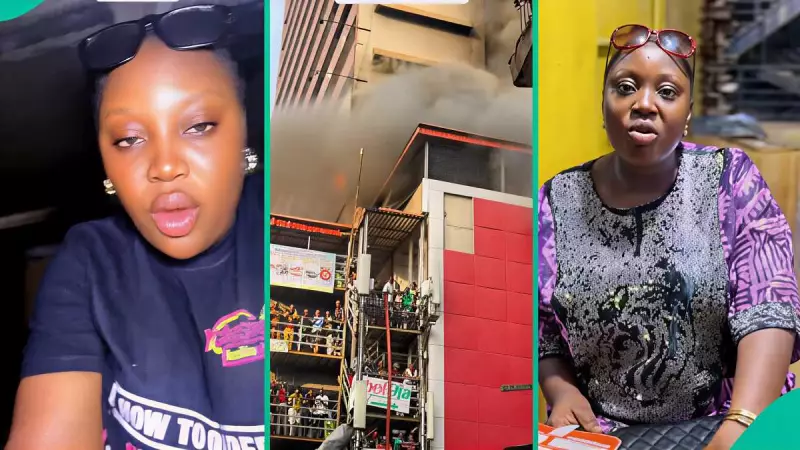
The devastating fire erupted at the 22-storey Great Nigeria Insurance House on Martins Street, Lagos Island, on December 24, 2025. As emergency responders battled the towering flames, the lady took to social media to voice her fears, sharing a video that showed her warehouse in close proximity to the burning plaza.
In her emotional outcry, she expressed deep concern for the merchandise stored in her facility, which faced imminent risk from the spreading blaze. The video footage provided a stark visual of the raging fire threatening nearby businesses.
Emergency Response at the Scene
Firefighters and other emergency service personnel were deployed to the scene at the commercial heart of Lagos Island to contain the fire at the iconic plaza. The intensity of the blaze and its location in a densely populated market area posed significant challenges to the operation.
The incident has once again highlighted the perennial issue of fire safety in Nigeria's bustling marketplaces, where narrow access roads and congested layouts often complicate rescue efforts.
Impact on Local Traders and Businesses
While the full extent of damage is still being assessed, the fire incident has sent shockwaves through the Balogun Market community, one of West Africa's largest trading hubs. Traders and business owners like the lady who raised the alarm now face an anxious wait to determine the fate of their investments.
Such incidents underscore the vulnerability of businesses in high-density commercial zones and the critical need for:
- Enhanced fire safety protocols in market areas
- Adequate emergency access routes for responders
- Comprehensive insurance coverage for traders
The Great Nigeria Insurance House fire serves as a grim reminder of the devastating economic and personal losses that can occur within moments, leaving business owners to pick up the pieces in the aftermath.