Trial of Journalist's Murder Suspects Delayed Over Defendants' Absence
The murder trial of eleven suspects connected to the killing of ARISE News journalist Somtochukwu Maduagwu and security guard Barnabas Danlami was unexpectedly stalled on Monday, February 9, 2026. The delay occurred after the Nigerian Correctional Services failed to produce the defendants in court for the scheduled hearing.
Court Proceedings Halted Despite Witness Readiness
During the resumed hearing at the Federal Capital Territory High Court, prosecution counsel Adama Musa informed the court that the defendants were absent, although their legal representatives were present. Musa expressed significant frustration over this development, noting that officials from the Correctional Services claimed they were unaware of the January 9 trial date.
This claim came despite the prosecution having four witnesses present and prepared to testify, highlighting administrative shortcomings that impacted judicial proceedings.
Judicial Response and Adjournment
The trial judge, Justice Mohammed Idris, adjourned the matter to Tuesday, February 10, urging the witnesses to remain available in the interest of justice. The court had originally fixed February 9, 10, and 12 for the trial, following the defendants' arraignment on January 21, 2026.
Justice Idris also ordered that a formal hearing notice be issued to the Nigerian Correctional Services to ensure the defendants are produced in court at the next sitting, emphasizing the need for procedural compliance.
Background of the Case
The trial stems from a robbery incident on September 29, 2025, at Unique Apartments in Katampe Extension, Abuja, which resulted in the deaths of Maduagwu and Danlami. The eleven defendants are facing nine counts, including:
- Conspiracy
- Armed robbery
- Murder
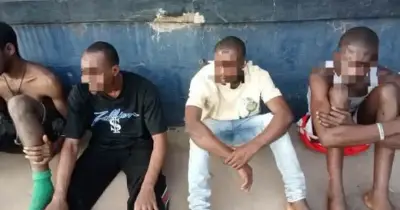
The accused individuals are Shamsu Hassan, Sani Sirajo, Hassan Isah, Abubakar Alkamu, Abdulsalam Saleh, Suleiman Badamasi, Zaharadeen Mohammed, Musa Umar (alias "Small"), Mashkur Jamil, Suleiman Sani, and Abubakar Usman.
Implications for Justice and Security
This delay raises concerns about the efficiency of Nigeria's correctional and judicial systems in handling high-profile cases. The failure to produce defendants not only stalls justice for the victims' families but also undermines public confidence in legal processes.
As the trial resumes, all eyes will be on whether the Correctional Services comply with the court's order to ensure the defendants' presence, moving the case forward toward a resolution.