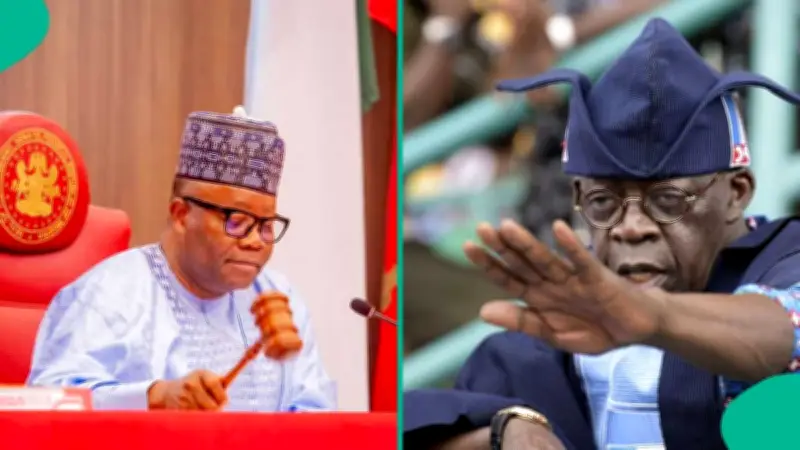
The Nigerian Senate is set to address the controversy surrounding an alleged fake government agency that received a ₦1.3 billion allocation in the 2026 budget, as plenary resumes on Tuesday, July 7. The move follows revelations that the Presidential Foreign Intervention Promotion Council (PFIPC) was never lawfully established, despite operating from the Federal Secretariat for over a year using a forged appointment letter.
Forged Letter and Unverified Appointment
According to sources within the Presidency and civil service, a forged appointment letter bearing the falsified signature of Chief of Staff Femi Gbajabiamila allowed Prince Adeniyi Adeyemi Mathew to secure office space at the Federal Secretariat. The letter bypassed established appointment procedures, giving the council an appearance of legitimacy. A Presidency source stated, "The Chief of Staff has never appointed anyone at that level. All DGs and Permanent Secretaries, their appointments are from the President."
The forgery was reportedly accepted at the Civil Service Headquarters without verification, enabling the fictitious agency to occupy a Federal Secretariat office for over a year. The development has raised serious questions about internal controls and accountability within the federal civil service.
Senate Leadership to Douse Tension
A National Assembly source disclosed that the Senate leadership would discuss the matter on Tuesday to calm public concerns and clarify the circumstances surrounding the budget provision. "I understand the Senate leadership will address the controversy on Tuesday to douse the growing tension and alleged complicity by any of its presiding officers," the source said.
The ₦1.3 billion allocation to the PFIPC in the 2026 Appropriation Act was approved without any official of the council appearing before the Senate Committee to defend the budget, sparking allegations of oversight failure. The Senate's intervention is seen as crucial to restoring public confidence in the legislative process.
Reactions from SERAP, Atiku, and Others
The scandal has drawn sharp reactions from civil society groups and political figures. The Socio-Economic Rights and Accountability Project (SERAP) and the Human and Environmental Development Agenda (HEDA) have demanded full disclosure of documents relating to the budget allocation. Former Vice President Atiku Abubakar called on President Bola Tinubu to commission a transparent and independent investigation within seven days, warning that inaction would amount to complicity.
In a statement dated July 3, 2026, Atiku's Senior Special Assistant on Public Communication, Phrank Shaibu, said the controversy had grown beyond questions of individual forgery and now threatened the credibility of Nigeria's core institutions. Meanwhile, the House of Representatives urged the public to allow the judicial process to run its course, with Deputy House spokesman Philip Agbese stating, "The issue is being handled legally... Nigerians will get to know in detail what transpired."
Impact on Governance and Public Trust
The alleged fake agency scandal has heightened political tension in the National Assembly and raised concerns about the integrity of budget allocations. The PFIPC was reportedly allocated ₦1.3 billion despite lacking legal backing, with the Presidency denying any knowledge of its establishment. Civil society groups argue that the incident exposes systemic weaknesses in the approval and monitoring of government agencies.
As the Senate prepares to address the matter, analysts predict that the outcome could have far-reaching implications for the Tinubu administration's anti-corruption stance and the credibility of the 2026 budget. The controversy also underscores the need for stricter verification processes in government appointments and budget defenses.
Next Steps and Expected Outcomes
All eyes are on the Senate as it resumes on Tuesday, with expectations that the leadership will provide clarity on how the ₦1.3 billion allocation came to be included in the budget without proper scrutiny. The Senate may also initiate an investigation into the forgery allegations and the roles of officials involved in the approval process.
The House of Representatives has already called for patience, but public pressure from groups like SERAP and political figures like Atiku is mounting. The Senate's response will be critical in determining whether the scandal leads to broader reforms or becomes a further source of political instability.