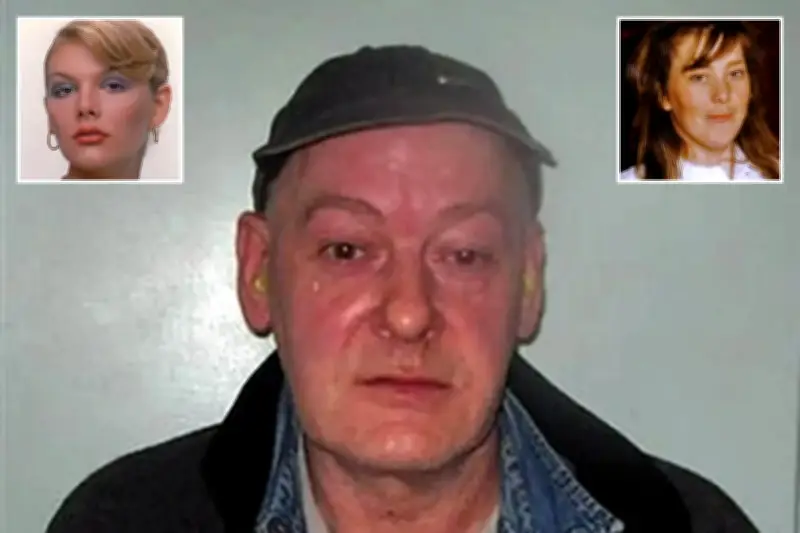
Notorious British serial killer John Sweeney, who called himself the "Scalp Hunter," has died in prison without ever revealing what he did with the heads of his two murder victims. Sweeney, 69, died at HMP Whitemoor in Cambridgeshire on August 14 after a battle with cancer, according to prison sources.
Crimes and Victims
Sweeney was jailed for murdering two former girlfriends, Melissa Halstead and Paula Fields, whose dismembered bodies were discovered in canals in England and the Netherlands. He earned the moniker "Scalp Hunter" after disposing of the women's bodies without their heads, hands, and feet.
Halstead, a 33-year-old former American model, was killed in 1990. Her mutilated body was later discovered in a canal in Rotterdam, Netherlands. She was identified through DNA 18 years later, but her head and hands were never found. Fields, 31, was killed more than a decade later. Her body was cut into six pieces and placed in holdalls before being dumped in Regent's Canal in Camden, north London, in February 2001. Her head, hands, and feet have never been recovered.
Investigation and Additional Suspicions
Police also suspected Sweeney may have been responsible for the disappearances of other former partners, although he was never charged over those cases. Despite being questioned about three other former girlfriends who had disappeared, detectives never charged him in connection with their cases.
Sweeney had also attacked another girlfriend, nurse Delia Balmer, with an axe. She survived after a neighbour intervened, while Sweeney fled and remained on the run for six years. When police eventually arrested him, they discovered disturbing drawings depicting Satan, women's body parts, and mutilated victims. One sketch titled "The Scalp Hunter" showed a female skull hanging from a belt. Sweeney, a carpenter, had also written violent poems and produced paintings that appeared to reflect his obsession with murder and dismemberment.
Official Response and Aftermath
A Prison Service spokesperson said: "These were horrific crimes and our thoughts remain with the victims and their loved ones. As with all deaths in custody, the Prisons and Probation Ombudsman is investigating, and it would be inappropriate to comment further before the conclusion of its findings."
Balmer later wrote a memoir about her experience with Sweeney, which was adapted into ITV's 2024 television miniseries Until I Kill You. The case remains notable for the unresolved mystery of the victims' missing body parts, with Sweeney taking that secret to his grave.