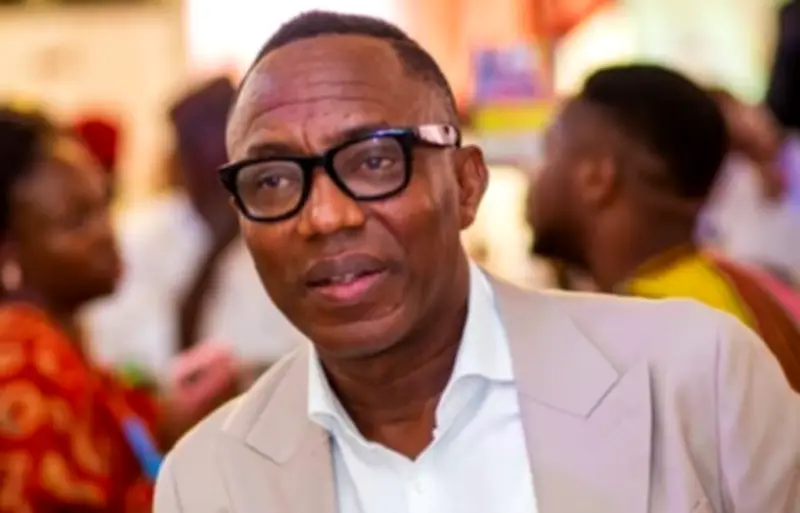
Deji Adeyanju, a lawyer and public affairs commentator, testified on Monday as the first defence witness in the cyberbullying trial of Sahara Reporters publisher Omoyele Sowore. He defended Sowore's social media post describing President Bola Tinubu as a 'criminal,' citing the president's own statements affirming citizens' right to criticise and even insult him.
Witness backs Sowore's remark with Tinubu's own words
Before Justice Mohammed Umar of the Federal High Court in Abuja, Adeyanju said President Tinubu had publicly declared that citizens have the right to criticise and 'even insult him' as part of democratic governance. He also recalled the president urging the judiciary 'not to allow itself to become an instrument of oppression' against government critics. According to the witness, Tinubu made those remarks before Sowore published the posts that led to the charges.
Prosecution objects to Adeyanju as witness
The prosecution, led by Akinlolu Kehinde (SAN), objected to Adeyanju testifying, arguing that as a lawyer on record in the matter, he could not serve as both counsel and witness. However, Sowore's lawyer Adeyinka Olumide-Fusika (SAN) countered that Adeyanju had never announced an appearance as counsel in the case. The court allowed the witness to testify.
What Adeyanju told the court
Led in evidence, Adeyanju said he lives in Wuse II, Abuja, and knows Sowore as 'the publisher of Sahara Reporters, a human rights activist and a former presidential candidate of the African Action Congress (AAC).' He explained that social media platforms primarily serve as spaces for interaction among users who follow or connect with each other. Using his own Facebook and X accounts as examples, he said another user cannot send a direct message without meeting platform requirements like becoming a friend or follower. He described his social media pages as his 'personal virtual home,' where only content he chooses to publish becomes visible. He distinguished between public posts and private messaging services like X Chat and Facebook Messenger.
Adeyanju then testified about public statements by President Tinubu affirming citizens' right to criticise office holders and urging the judiciary not to suppress critics. He said he personally downloaded videos of these statements before 25 August 2025 and gave them to the defence. He presented an affidavit of compliance for the electronic evidence, and the defence tendered the affidavit and a 2GB flash drive containing the videos. The prosecution did not object, and the judge admitted them as evidence.
Court adjourns for video playback
The defence requested an adjournment to play the video recordings, stating it needed a television. The prosecution opposed, arguing the defence should have made arrangements earlier. However, the judge said providing facilities is the court's responsibility and adjourned the matter until 13 July for continuation of the defence, after Adeyanju said he would be unavailable until Friday.
Background of the case
The State Security Service (SSS) filed cybercrime charges against Sowore over his X and Facebook posts last year calling President Tinubu 'a criminal.' The prosecution closed its case in March after calling one witness. On 8 May, Justice Umar dismissed Sowore's no-case submission and ordered him to open his defence. Sowore, who had represented himself after his legal team withdrew, filed an application for the judge to withdraw due to alleged bias. The judge fixed 15 June for ruling but the court did not sit that day. Sowore informed court officials he would travel to Lagos and requested a July date, but the judge set 16 June. When Sowore failed to appear, the court revoked his bail and issued a bench warrant. He was later arrested, and his lawyers challenged the bail revocation. On 30 June, Justice Umar granted fresh bail of N200 million with two sureties and released Sowore to his lawyers, adjourning to 6 July for defence opening.
Prosecution pushes for remand
As part of bail conditions, Sowore was ordered to submit his passport to the Deputy Chief Registrar, and sureties must be verified by the prosecution. Before Monday's proceedings ended, Kehinde said none of the conditions had been fulfilled and urged the court to remand Sowore. He also noted Sowore had granted an interview to Arise Television on Friday about the case. Olumide-Fusika disputed the claim, saying he believed the court would receive a compliance report by end of day. He alleged Kehinde had 'personal issues' with Sowore and said he was unaware of the interview. The judge clarified he had not restricted Sowore from media interviews and that the court's interest was compliance with bail conditions. He said it was necessary to remand Sowore but he would be released immediately once conditions were met. Olumide-Fusika urged the court to give the defence until the next sitting. Kehinde insisted no conditions had been fulfilled and denied personal interest, saying he was following client instructions. After reflection, the judge gave the defence until the close of business on Monday to fulfil the conditions, after which the court would determine the next course of action.