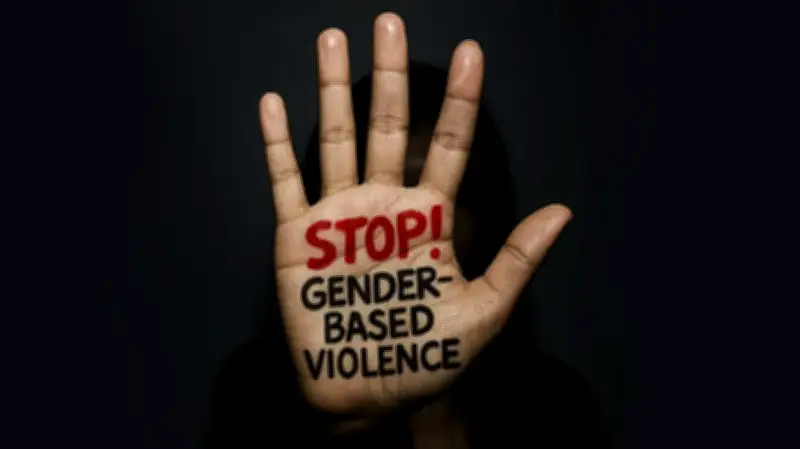
Stakeholders have called for the swift prosecution of perpetrators of gender-based violence (GBV), emphasizing the need to ensure offenders face the full weight of the law. The call was made at a stakeholders' engagement forum organized by the International Federation of Women Lawyers (FIDA), Ikeja branch, targeting law enforcement agencies on the prevention of violence against women and girls.
Forum Theme and Objectives
The dialogue, themed: “Promoting Gender-Sensitive Cultures in Law Enforcement Agencies Towards Preventing Gender-Based Violence,” aimed to promote cross-sector learning, strengthen institutional capacity for gender-responsive legal frameworks, and encourage collaborative prevention strategies. Participants included representatives of the Nigeria Police Force, Nigeria Security and Civil Defence Corps, National Agency for the Prohibition of Trafficking in Persons (NAPTIP), National Human Rights Commission (NHRC), state GBV committees, the Lagos State Ministry of Justice, and the Domestic and Sexual Violence Agency (DSVA).
Concerns Over Cultural Norms and Digital GBV
Director of NHRC Lagos Office, Lucas Koyejo, stated that social, cultural, and religious norms continue to fuel violence against women and girls. He also raised concerns over the growing threat of technology-facilitated GBV, including sextortion and online blackmail, where criminals exploit victims through private images to extort money. According to him, tackling the menace requires sustained sensitization campaigns targeting youths, women, and grassroots communities, alongside strict enforcement of relevant laws. Koyejo stressed that perpetrators of digital and other forms of GBV must be arrested and prosecuted to serve as a deterrent.
Forms of GBV and Trafficking
Zonal Commander of NAPTIP, Comfort Agboko, identified sexual, physical, psychological, and economic abuse as common forms of GBV in the Southwest, while noting that some areas also experience harmful cultural practices. She stated that trafficking victims often suffer multiple forms of violence and called for sustained awareness campaigns and stronger law enforcement to deter offenders.
Grassroots Engagement and Human Rights Approach
Regional Coordinator for Nigeria at Giving Africa a New Face, Oluwafemi Abe, emphasized the need for grassroots engagement, capacity building, and community-based awareness campaigns to combat GBV and harmful cultural practices. He advocated the use of audio-visual materials in local languages to educate communities on the dangers of practices such as female genital mutilation. Abe also urged security agencies to adopt a human rights-based approach during investigations to protect victims from stigma, discrimination, and re-victimization.
Call for Stronger Collaboration
Earlier, FIDA Country Vice President and National President, Eliana Martins, called for stronger collaboration among law enforcement agencies and other stakeholders to address the rising cases of GBV against women and girls. She described statistics on violence against women as alarming, noting that nearly one in three women experiences physical, sexual, or other forms of violence during their lifetime. “This dialogue is designed to provide a strategic platform for examining challenges faced by law enforcement agencies in responding to GBV cases and developing practical solutions to improve outcomes for survivors,” Martins said.
Role of Security Agencies
According to her, security agencies are often first responders to incidents of violence and therefore play a critical role in breaking the culture of silence surrounding abuse. She called for stronger prevention protocols, early warning systems, trauma-informed investigations, and improved capacity for officers handling sensitive cases. Martins also advocated enhanced inter-agency collaboration involving security agencies, healthcare providers, social services, and legal support organizations to strengthen prevention and response efforts.
Strengthening Efforts Against GBV
Vice Chairperson of FIDA Ikeja, Clara Mbachu, said the engagement was aimed at strengthening efforts to prevent GBV, harmful cultural practices, and human rights abuses. She urged stakeholders to identify challenges, share solutions, and deepen collaboration to improve protection for women and girls.