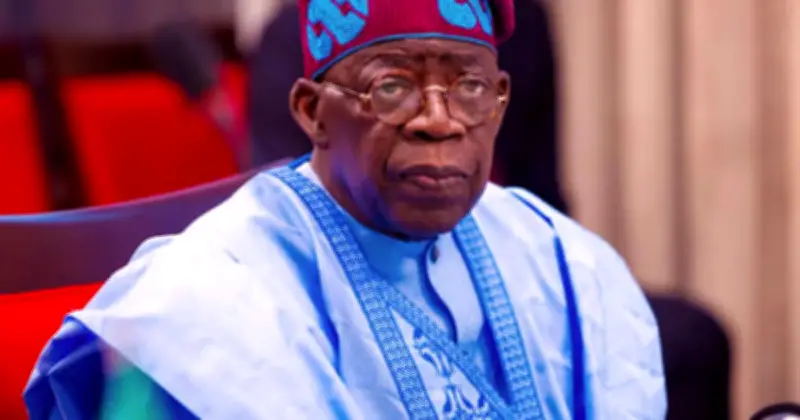
A US-based policy advisory and lobbying firm, Von Batten-Montague-York, has claimed that President Bola Tinubu may face criminal charges in the United States after leaving office, citing longstanding allegations linked to a heroin-trafficking investigation. The firm, in a statement on its verified X account, said its assessment was based on court filings in a Freedom of Information Act (FOIA) case involving records held by the FBI and the DEA. However, the firm admitted that the documents it reviewed do not establish that the US government plans to prosecute Tinubu.
Firm’s Claims and Legal Context
Von Batten-Montague-York said the FBI and DEA had been asked to confirm that no investigation or enforcement proceeding remained pending over the alleged offences, more than 30 years after the events in question. According to the firm, both agencies declined to make that confirmation, stating they were “not obligated to comment on whether a law enforcement investigation or proceeding may exist.” The firm argued that while this response does not prove prosecution is imminent, the refusal to rule out an existing investigation raises questions about the matter’s status.
The firm’s statement reads: “Based on our reading of some of the case filings, we believe President Tinubu may face criminal charges after he leaves office, when he no longer has immunity ratione personae, in connection with the heroin-trafficking allegations.” This claim comes amid a long-running legal battle over access to US government records relating to Tinubu and allegations dating back to the early 1990s.

FOIA Case and FBI Warning
American transparency activist Aaron Greenspan filed FOIA requests seeking records from several US agencies, including the FBI and DEA. In April 2025, US District Judge Beryl Howell ruled that the FBI and DEA could no longer rely on a blanket refusal to confirm or deny the existence of records concerning Tinubu, and ordered the agencies to search for and process records not legally exempt from disclosure. The case has since produced a series of court filings, with the FBI and DEA withholding portions of the records on grounds including privacy, protection of confidential sources, investigative methods, and the safety of individuals connected to the investigation.
In a filing submitted on August 28, the FBI invoked FOIA’s Exemption 7(F), which permits withholding law-enforcement records when disclosure could reasonably be expected to endanger an individual’s life or physical safety. The FBI warned that releasing certain information could expose people connected to the investigation to violent retaliation, including possible attacks on agents or informants. The bureau also argued that publicly explaining some reasons for withholding could itself expose sensitive details, and it asked to provide additional explanations to Judge Howell privately and under seal.
Judge’s Review and Tinubu’s Response
Judge Howell subsequently received confidential material from the FBI for private, in-camera review, meaning the judge is examining the material without it being publicly released. This is the basis for reports that the FBI warned its agents and informants could face violent retaliation, including possible assassination, if sensitive information were made public. However, the FBI’s filing was a warning about potential consequences, not a statement that anyone had an existing plan to assassinate FBI personnel.
Tinubu’s legal team has opposed further disclosure, arguing that the president retains privacy rights over information contained in the investigative records. Reports on the case have also linked the records to a 1993 civil forfeiture proceeding involving about $460,000 that was forfeited to the US government. Importantly, the existence of FBI records or an investigation does not by itself establish that Tinubu committed a crime, was convicted of drug trafficking, or will be prosecuted.

Political Dimension and Current Status
The firm has been identified in reports as working for former Vice President Atiku Abubakar, a political rival of Tinubu ahead of Nigeria’s 2027 election, adding a political dimension to its public campaign over the release of the records. The Presidency has criticised the firm’s activities as politically motivated. For now, the FBI and DEA have not publicly announced that Tinubu will be prosecuted after leaving office, while the disputed records remain partly withheld and subject to the US court’s review.