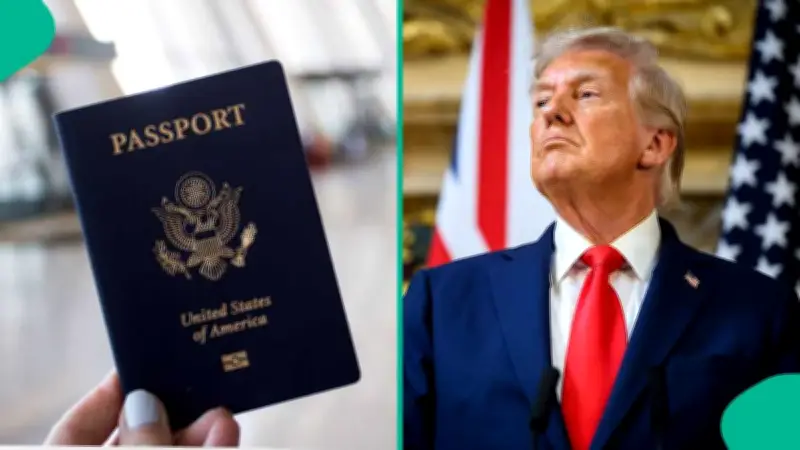
The United States government has introduced a sweeping global visa restriction policy aimed at individuals involved in cybercrime and cyberscams, with the measure also covering the immediate family members of those found to be engaged in such activities. The policy, announced by Secretary of State Marco Rubio, is grounded in Section 212(a)(3)(C) of the Immigration and Nationality Act and forms part of a broader push by the Trump administration to dismantle online criminal networks that have caused significant harm to American citizens.
Why the US Is Acting Now
According to a statement on the US official website on Thursday, July 23, the announcement pointed to online investment scams, many of which are linked to Chinese transnational criminal organisations, as a key driver of the new measures. According to the administration, these schemes cost American victims at least $10 billion in 2024 alone, while also fuelling corruption, money laundering, and human exploitation. Children have also been among those targeted, with overseas offenders running romance scam operations that the administration described as devastating families and futures. The scale of the problem prompted President Trump to sign Executive Order 14390 on Combating Cybercrime, Fraud, and Predatory Schemes Against American Citizens, which laid the groundwork for the announcement on Wednesday, July 22.
Tools the US Plans to Use
Beyond visa restrictions, the administration said it would pursue those responsible through sanctions, criminal prosecutions, asset seizures, extradition requests, and cooperation with international law enforcement agencies. 'The United States will go after those who prey on our citizens,' the Secretary of State said in the announcement, signalling that the new visa policy is one part of a wider campaign rather than a standalone measure. The inclusion of immediate family members in the visa ban is notable, as it signals that Washington intends to increase pressure on individuals who may be shielded by geography or legal status in their home countries by targeting those closest to them. The administration described the move as sending a clear message to criminal networks operating abroad that the US has multiple tools available beyond traditional law enforcement and is prepared to use all of them.
US Releases New Update on Dual Citizenship
Legit.ng earlier reported that the United States government requires all dual national citizens, including children, to enter and exit the country using a valid US passport. Dual nationals who apply for an ESTA using a foreign passport risk having the authorisation denied or cancelled by the Department of Homeland Security. US citizens living abroad are urged to check their passport expiry dates before travelling, as passports must generally be valid for at least six months.