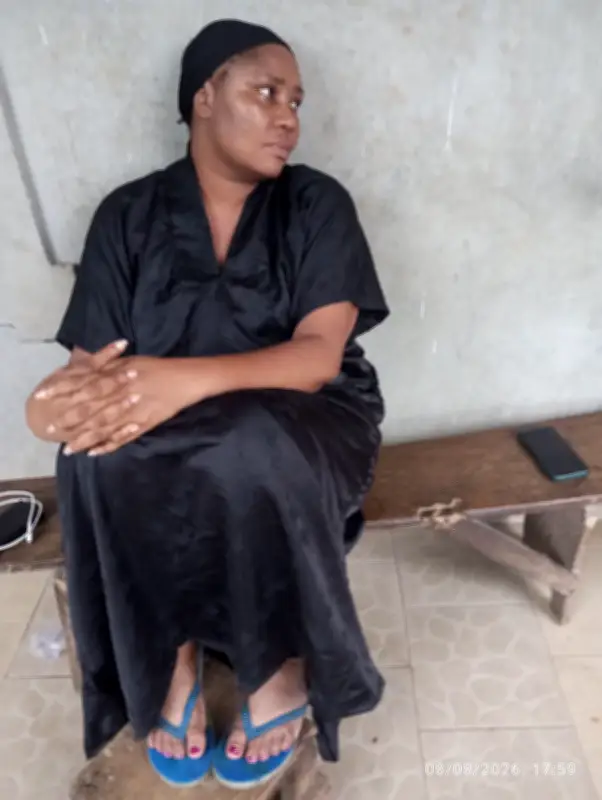
A grieving Nigerian widow, identified only as Marroots, has expressed profound distress after learning that villagers are accusing her of killing her husband. In a Facebook post that has since gone viral, she wrote: “The worst news I heard from the village today is that I k!lled my husband. Dear Lord please judge them for me.” The post, shared on Saturday, August 8, 2026, has sparked widespread sympathy and outrage online.
Accusations Emerge from Village Rumors
According to the widow, the allegations surfaced during a routine call with relatives in her late husband’s village. What began as a conversation about funeral arrangements quickly turned hostile when a family member bluntly accused her of being responsible for his death. Marroots, who is still in the early stages of mourning, said she was blindsided by the claim, which she insists is baseless.
The exact circumstances of her husband’s death have not been publicly detailed, but the widow’s post suggests that local gossip has spiraled into a full-blown accusation. In many Nigerian communities, such rumors can lead to ostracization, legal trouble, or even vigilante violence, making the situation particularly perilous for the widow.
Online Reactions and Support
The post quickly attracted hundreds of comments from Facebook users, many of whom expressed solidarity with Marroots. One commenter wrote, “May God comfort you and expose the truth. This is why village gossip is so dangerous.” Another urged her to involve the police, saying, “Please report this to the authorities before it escalates.” However, a minority of commenters appeared to echo the accusation, underscoring the deep divisions such rumors can create.
As of the time of this report, Marroots has not issued a follow-up statement. It remains unclear whether she plans to take legal action against her accusers or seek a formal investigation to clear her name.
Context: The Toll of False Accusations in Nigeria
This incident highlights a broader issue in Nigerian society, where widows are often scapegoated for their husbands’ deaths, particularly in rural areas. According to a 2019 study by the Nigerian Journal of Sociology and Anthropology, nearly 60% of widows in the country’s southeast region reported experiencing some form of accusation or discrimination following their spouse’s death. These accusations frequently stem from property disputes, jealousy, or traditional beliefs about witchcraft, and can lead to severe psychological trauma and social isolation.
Legal experts note that while defamation laws exist, many widows lack the resources to pursue justice. “The burden of proof should be on the accuser, but in practice, it often falls on the widow to prove her innocence,” said Lagos-based lawyer Chidi Okafor in a recent interview. “This is a violation of basic human rights.”
Conclusion: A Call for Compassion and Due Process
As Marroots grieves, her plea for divine justice resonates with many who have faced similar trials. Her case serves as a stark reminder of the dangers of rumor and the importance of supporting, rather than blaming, those who have lost loved ones. Whether the authorities will intervene remains to be seen, but her story has opened a much-needed conversation about the treatment of widows in Nigeria.