How Seamless Bank-Telecom Coordination Can Eliminate SIM Reassignment Risks in Nigeria
A dangerous but frequently overlooked issue within Nigeria's digital finance ecosystem involves the recycling of phone numbers that remain connected to bank accounts. This practice can unintentionally expose sensitive financial information to new users, raising serious concerns about whether telecom industry processes have kept pace with the expanding role of mobile numbers in financial services.
Rising Concern: Recycled Numbers and Fraud Risk
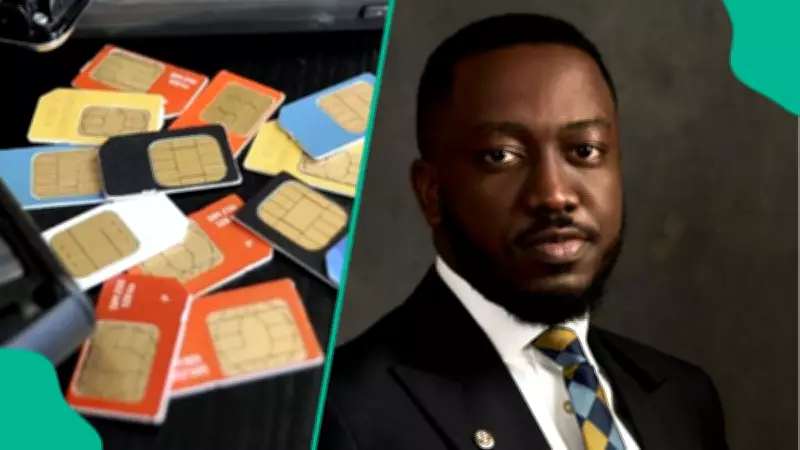
A recent investigation by the Foundation for Investigative Journalism highlighted the significant risks Nigerians face when recycled phone numbers remain tied to financial services. Reacting to this, Akin Adegoke, Chief Digital Officer at Lotus Bank, stressed that reassigned numbers pose a substantial fraud risk by potentially exposing sensitive banking information to unauthorized individuals.
"It's a significant risk," Adegoke emphasized. "Phone numbers in Nigeria are linked to alerts, USSD banking, and authentication, so when a number is reassigned, sensitive information can inadvertently reach someone else. While banks have security layers, this gap exposes customers to potential fraud. Coordinated action between banks and telecoms is critical to reduce these risks."
Adegoke further explained that when a telecom operator reassigns a number previously linked to a bank account, the new owner may begin receiving transaction alerts or one-time passwords (OTPs) meant for the former user. If authentication systems are weak, this could open the door to unauthorized account access. Even with robust safeguards, he warned that reassignment without proper checks creates avoidable security gaps that compromise customer protection.
Mobile Numbers as Financial Identifiers
In Nigeria, phone numbers are widely used for alerts, USSD banking, authentication, and even identity verification—effectively turning SIM cards into financial identifiers. Adegoke noted that while official identification still relies on KYC processes and the Bank Verification Number (BVN), mobile numbers have become a primary access point to many banking services, creating a vulnerability when numbers change hands.
He explained that the core challenge lies in the delay or failure to update banking systems when users change their phone numbers. While some stakeholders argue that SIM cards should be treated as financial IDs rather than disposable telecom tools, Adegoke believes this would require stricter verification before numbers are reassigned, along with stronger coordination between banks and telecom operators to ensure seamless transitions.
"Systems would need to flag reassigned numbers to prevent accidental exposure of sensitive information," he added. "Ultimately, this approach would acknowledge the financial role that mobile numbers now play in our banking ecosystem."
The Case for Bank-Telecom Coordination
Many experts have called for automatic coordination between banks and telecom operators whenever a phone number is reassigned. Adegoke strongly supports this approach, suggesting that a coordinated alert system could help prevent fraud by flagging reassigned numbers and restricting sensitive transactions until ownership is properly verified through established protocols.
"A secure notification system could alert banks whenever a number is deactivated or reassigned," Adegoke proposed. "Banks could then temporarily flag or restrict sensitive activities until the customer confirms ownership. This type of coordination would significantly reduce exposure to fraud while maintaining operational efficiency."
Balancing Security and Data Privacy
Addressing concerns about data privacy in such collaborations, Adegoke clarified that banks do not need access to personal subscriber information. Instead, they only require the status of a phone number to help prevent unauthorized access while preserving user privacy and complying with data protection regulations.
"Banks don't need personal details of the new subscriber; they just need to know the status of the number," he stated. "With this approach, telecoms and banks can prevent unauthorized access while still protecting customer privacy through minimal data sharing."
The Role of Regulators: CBN and NCC
Adegoke also highlighted the critical role of regulators such as the Central Bank of Nigeria (CBN) and the Nigerian Communications Commission (NCC) in tackling the risks associated with recycled phone numbers. According to him, coordinated regulatory action can help establish clear standards, reduce fraud risks, and strengthen consumer confidence in digital banking through enforceable guidelines.
"Regulators need to set standards and ensure coordination," he said. "The CBN should define banking security requirements, while the NCC manages number lifecycle rules. Their collaboration ensures that number reassignment doesn't create unnecessary risks that could undermine trust in our financial systems."
Conclusion: Practical Steps to Reduce Risk
In conclusion, Adegoke proposed several immediate measures that could be adopted across Nigeria's financial and telecom sectors to reduce the risks associated with SIM reassignment:
- Real-time notifications from telecom operators to banks when numbers are reassigned
- Mandatory PINs or multi-factor authentication for USSD and mobile banking
- Encouraging customers to promptly update their banking details whenever their phone numbers change
- Regular consumer education about the risks of recycled numbers
- Standardized protocols for number deactivation and reassignment across all telecom providers
These practical solutions, combined with stronger coordination between banks and telecom operators, could significantly strengthen trust in Nigeria's rapidly growing digital banking ecosystem while protecting consumers from potential fraud and security breaches.