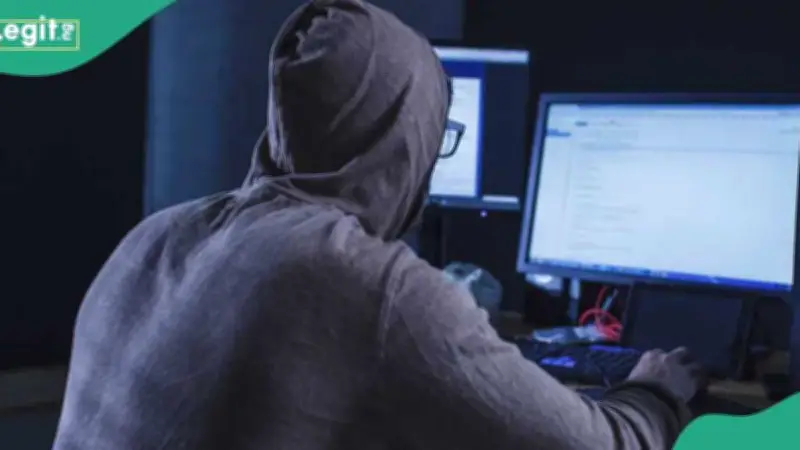
Cybercriminals are impersonating popular companies and government agencies across Africa in a sophisticated campaign designed to take over victims' smartphones and bank accounts. Brands including DStv, Takealot, South African Airways, and the South African Revenue Service (SARS) are reportedly being used to make fraudulent messages and websites appear legitimate.
How the Scam Works
According to cybersecurity company NordVPN, the campaign distributes Remote Access Trojans (RATs) and banking trojans, forms of malware that can give criminals control over infected devices and access to sensitive information. The attacks are particularly concerning in South Africa, where Android dominates the mobile operating system market.
NordVPN said the attacks typically begin with social engineering, where criminals send convincing messages through SMS, WhatsApp, or social media. The messages may contain urgent offers or requests involving job opportunities, tax refunds, identity renewals, or pension verification.
Victims are then directed to fake websites designed to closely resemble the official websites of trusted organisations. The sites encourage users to download an Android application. Once installed, the malicious software can operate quietly in the background, including after the smartphone is restarted.
The malware may request access to SMS messages, contacts, call logs, screen activity, audio, and other device functions. These permissions can provide criminals with valuable information that can be used to compromise victims' accounts. One of the biggest threats is the malware's ability to intercept SMS messages containing one-time passwords (OTPs). This can undermine an important layer of banking security, allowing criminals who have obtained banking credentials to potentially intercept authentication codes and gain access to accounts.
More Than 100 Fake Websites Identified
NordVPN said the operation has been active since at least August 2025, with more than 100 domains linked to the campaign identified so far. The cybersecurity firm also noted the professional appearance and localisation of the fraudulent websites, suggesting that artificial intelligence may have helped criminals create convincing replicas. The sites reportedly use disposable domain extensions and are frequently replaced when older domains are abandoned.
NordVPN chief technology officer Marijus Briedis advised Android users never to install applications through links received in unsolicited messages. Users should also be suspicious of messages that create a sense of urgency or pressure them to act immediately.
What Should Victims Do?
Anyone who suspects they have installed a malicious application should disconnect the affected phone from the internet and remove the suspicious app. They should also change important passwords from a separate, trusted device and contact their bank immediately to secure their account.
Kaspersky security researcher Boris Larin previously warned that criminals are increasingly targeting credentials, devices, and communications. Kaspersky research found that mobile banking attacks increased 1.5 times globally in 2025, while bank-related phishing accounted for 53.75% of phishing detections recorded across Africa. The latest campaign highlights the growing risks facing smartphone users as cybercriminals increasingly exploit trusted brands to make sophisticated scams appear genuine.
Legit.ng earlier reported that Ecobank has issued a security advisory urging its customers to exercise caution when downloading mobile applications, warning that cybercriminals are deploying fraudulent apps to gain unauthorised access to personal banking accounts. The bank said fraudsters are circulating fake advertisements and pop-up prompts across social media platforms, websites, and messaging applications to lure users into installing malware-loaded apps.