Qatar Authorities Detain 313 Individuals for Disseminating Iranian Attack Footage
In a significant crackdown on digital content, Qatar has arrested a total of 313 people for sharing images and videos related to recent Iranian missile attacks, according to an official statement from the country's interior ministry. The individuals were apprehended for distributing what officials have labeled as "misleading information" that could potentially sway public opinion during a period of heightened regional instability.
Widespread Arrests Across Multiple Nationalities
The Ministry of Interior of Qatar confirmed that those detained had actively filmed and circulated video clips while also publishing unverified rumors. The suspects were taken into custody by the General Directorate of Criminal Investigations, specifically through its specialized Department for Combating Economic and Cyber Crimes. Authorities noted that the arrested individuals hail from various nationalities, underscoring the international scope of the enforcement action.
Regional Gulf Nations Follow Suit with Similar Measures
This wave of arrests is not isolated to Qatar, as other Gulf Cooperation Council (GCC) member states have implemented comparable security protocols. In Bahrain, local authorities reported the arrest of four people for filming and broadcasting clips depicting the aftermath of Iranian attacks and for spreading false news. Meanwhile, Kuwaiti officials confirmed the detention of three individuals after a video surfaced showing them mocking the country's security situation.
Residents in the United Arab Emirates have received official text messages warning that sharing sensitive images or reposting unverified information about attacks could result in severe legal repercussions. The UAE Attorney General's Office explicitly cautioned citizens and residents against filming or distributing footage of attack sites or damage caused by falling missiles or debris, as reported by the Emirates News Agency. Similarly, Saudi Arabian authorities have issued parallel warnings to curb the dissemination of such content.
Ongoing Circulation of Conflict Imagery Despite Restrictions
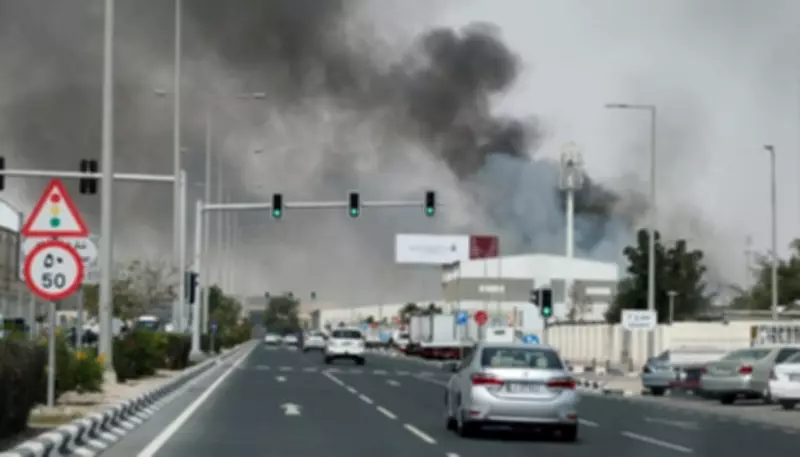
Despite these stringent restrictions and arrests, visual content showcasing missiles, drones, and the impact of the ongoing conflict continues to proliferate widely across social media platforms and messaging applications. The persistent circulation highlights the challenges faced by Gulf governments in controlling information flow during times of military escalation and public anxiety.
The arrests in Qatar and the broader Gulf region reflect a concerted effort to maintain public order and national security by clamping down on the spread of potentially inflammatory material. As tensions remain elevated following Iran's targeted strikes on airports, military bases, energy facilities, and residential areas, authorities are prioritizing the prevention of misinformation that could exacerbate regional discord.